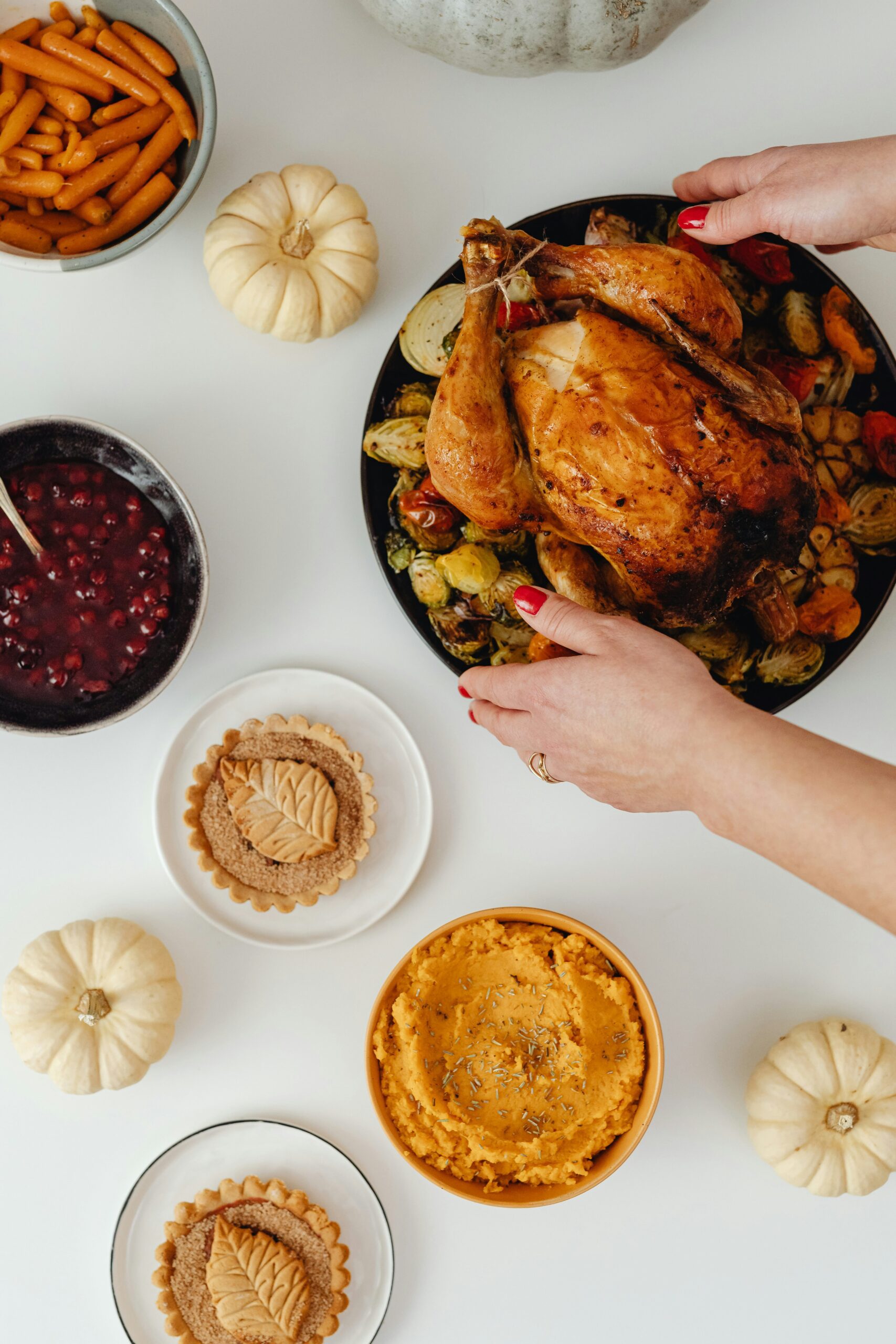


As families across the country prepare for one of the most celebrated meals of the year, many shoppers are feeling the pinch of rising food prices. With Thanksgiving quickly approaching, experts say households can still enjoy a full and festive holiday spread without overspending — if they plan ahead and shop strategically.
Financial advisors recommend beginning with a clear plan. Create a budget, list the dishes you want to serve, and identify what ingredients you already have at home. Sticking to a menu helps avoid impulse buys and duplicate items.
Grocery stores typically launch major markdowns on turkey, stuffing mix, potatoes, and canned goods in the weeks leading up to Thanksgiving. Shopping early increases your chances of finding your preferred turkey size and catching sales before shelves empty. Many consumers save by comparing weekly circulars across multiple stores or using price-matching apps.
Supermarkets often offer free or heavily discounted turkeys when shoppers accumulate loyalty points or meet a spending threshold. Signing up for store rewards programs — even temporarily — can lead to significant discounts on the centerpiece of the meal.
Frozen turkeys are typically far cheaper than fresh ones and taste just as good. Buying weeks in advance and defrosting properly can save families $10–$20 or more depending on the size.
Thanksgiving favorites like mashed potatoes, stuffing, roasted vegetables, and rolls are some of the most affordable dishes to prepare. Experts say hosts can save by sticking to traditional sides and avoiding specialty recipes that require pricey ingredients or uncommon spices.
A potluck-style Thanksgiving is becoming a popular way to reduce costs without sacrificing variety. Asking guests to contribute a side, dessert, or beverage spreads out the expense and makes meal prep more manageable for the host.
Premade pie crusts, pre-chopped vegetables, and ready-made side dishes save time but not money. Preparing foods from scratch can cut costs significantly and often results in fresher, tastier dishes.
Store-brand butter, broth, spices, and canned goods can cost 20 to 30 percent less than name-brand equivalents while offering similar quality. Using generics for high-volume recipes leads to immediate savings.
One of the biggest money drains during the holiday is overestimating how much food is needed. Planning for the right number of servings — and creatively using leftovers — keeps both waste and spending in check.
Before heading to the store, check your pantry, spice rack, and freezer. Many Thanksgiving staples like flour, sugar, canned vegetables, or spices may already be on hand.
With some preparation and smart shopping, families can serve a hearty and memorable Thanksgiving meal without straining their budgets. Despite higher food costs, experts say a little planning can go a long way toward ensuring the holiday remains festive, filling, and affordable.