
 In an economy that is constantly changing, the importance of a family budget is one of the best ways to create financial security and reduce worry over finances. A carefully created budget lets your family track what you spend, plan for the future and prepare for emergencies in a less stressful way.
One way to look at your family budget is as a roadmap as it tells you where your money comes from, where it goes each month and provide you with insight into spending that may be unnecessary. Without a set budget, it is easy to lose track of what you spend or accumulate debt. With a budget, you know exactly how much money you have and where it is being spent in order to avoid surprises.
Another benefit of a family budget is that it can help you reduce debt. A budget can help identify spending you can eliminate and apply to credit card or loan debt. Budgets are the best way to save for future expenses like college, retirement or a home. One key element of a good budget is a savings plan that can create an emergency fund. This fund can be used to cover unexpected expenses like a medical bill or car repair. By discussing your budget with your children, you also teach them responsible money management.
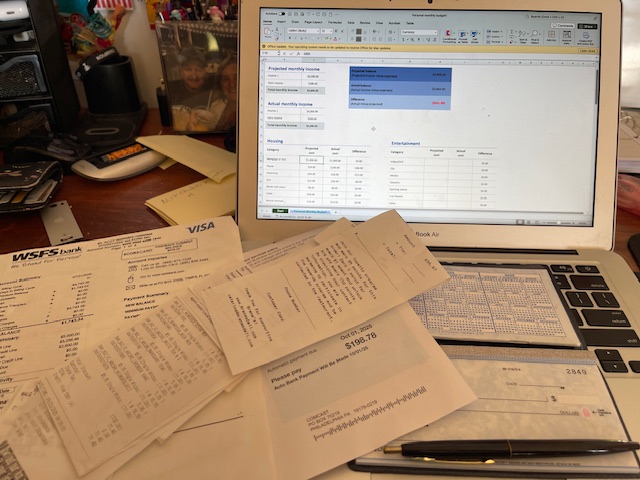
Creating a budget is not complicated. The first step is to collect all pay stubs, bank statements, bills and receipts. In order to create a good budget, you will need to know your total income and expenses, so you have a clear picture of your finances. For at least one month, track everything you spend, from mortgage or rent to the latte you bought at the local coffee shop. Write all of those expenses down, either in a spreadsheet or a notebook.
Once you have a clear picture of your income and expenses, divide expenses into two groups. The first are fixed expenses, such as mortgage, car payments, insurance, etc. The second is variable expenses, such as groceries, entertainment, gas, etc. This makes it easier to see what expenses can be adjusted.
The next step is to set financial goals. Decide what is most important to your family. It may be paying off debt, saving for a vacation or putting money aside for college. Once you have goals, you are more likely to stick to your budget as you see progress toward those goals.
Now it is time to create the budget. Allocate income toward expenses, savings and goals. Financial advisers recommend using the 50/30/20 rule with 50 percent of your income for needs, 30 percent for wants and 20 percent for savings or debt reduction. For example, if you bring in $5,000 per month in income, allot $2,500 for needs, $1,500 for things you want and $1,000 for savings or debt reduction.
Keep in mind that your budget should be flexible, so revisit it each month to adjust for changes in income, expenses or family priorities. There are many apps and programs available that can help you manage your budget, such as Mint, You Need a Budget (YNAB), QuickBooks or even a simple spreadsheet.
It is also important to remember that budget should not be about restriction but viewed as empowerment. When the entire family participates in setting up and maintaining a budget, families gain confidence in their financial outlook. By turning budget into a regular habit, you can live within your means, plan for the important things in life and enjoy greater peace of mind knowing your finances are on track.