

October is Family History Month, making this a great time to learn more about your ancestors. There are several ways to celebrate Family History Month where you a may meet new family members, find others who share your interests and more.
If you are new to family research, the first step is to begin with yourself and work backward generation by generation. Collect as much information as you can from living relatives, documents you may have at home and online resources such as Ancestry and FamilySearch. Online resources allow you to enter information such as names, dates and places.
If you are just starting out, you can simply write down all the information you know about yourself, your parents and your grandparents. Write their full names, including maiden names of the women in the family, births, marriages, divorces and deaths. It is also helpful to note places of residence. A pedigree chart is one of the best ways to keep track of information and you can find those online.
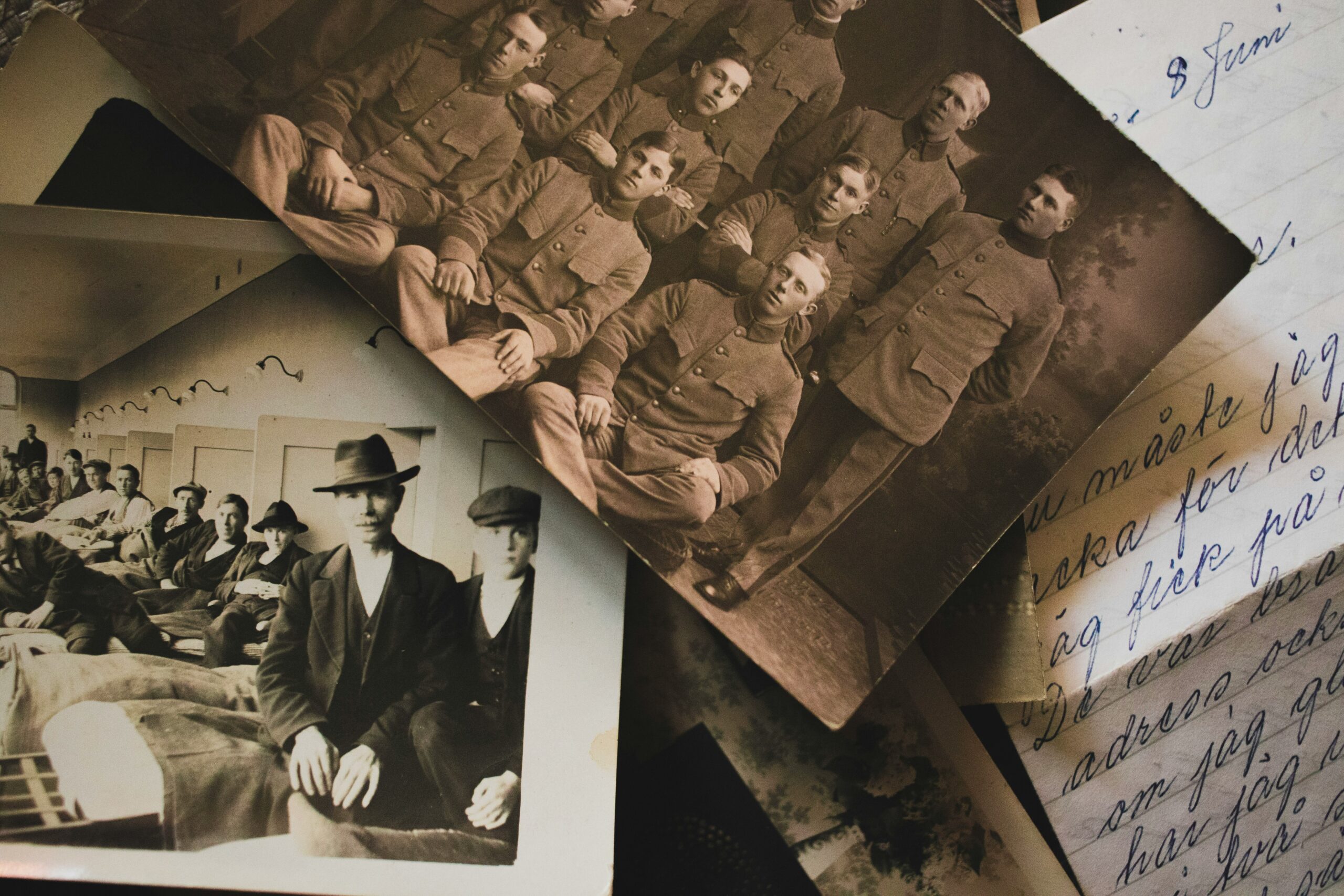
Talk to older family members to gather stories, memories or other details they may have about ancestors. You may also find a lot of information in documents and heirlooms. Family Bibles, letters, diaries and photo albums can be a treasure trove of information. Document what you find in a research log and be sure to note the source. Many online resources also have family data sheets that allow you to keep track of an entire family in your genealogy.
Online resources also have links to documents that can help you search. Ancestry and FamilySearch offer birth, marriage, military and death records that you can view to find obscure relatives or reach farther back in your family tree. There is also the option of DNA testing through online resources which can connect you to family.
Cemeteries offer a significant amount of information as well. In the past, families would list details on tombstones including “wife of” or “loving husband of” which can help guide your search. Historical records found at local archives, in churches or census records can also provide information. Your local library may also have valuable information.
The National Genealogical Society suggests keeping track of the variations of a surname as well. For instance, if your last name is Smith, you may find ancestors with the name spelled “Smythe” Smithe” or other variations. This happens often if your last name is unusual as people sometimes simplified the spelling to make it easier.
Another place to search for information on relatives is at your local Register of Wills or Register of Deeds office. Probate records contain significant information on relatives of the deceased while deeds sometimes mention siblings, children or parents. You can also contact the state office that handles birth, marriage and death records. In Delaware, that would be the Bureau of Vital Statistics. Although it varies by state, records were required to be kept as early as 1890. Before the state began collecting the information, records were kept in churches and family bibles. State archives often have information on those records which makes them a great place to search for information.
Genealogical societies can also be helpful, especially if you have reached a point where it is difficult to find more information. This may happen if one of your ancestors was adopted or married very young so that they don’t appear on multiple censuses. Until recently, adoptions were often sealed, so it may be difficult to find details on an adopted relative.
The National Genealogical Society can help you get started on your family search. If you have already begun researching your family, they can provide you with additional resources that may take your search even farther.