





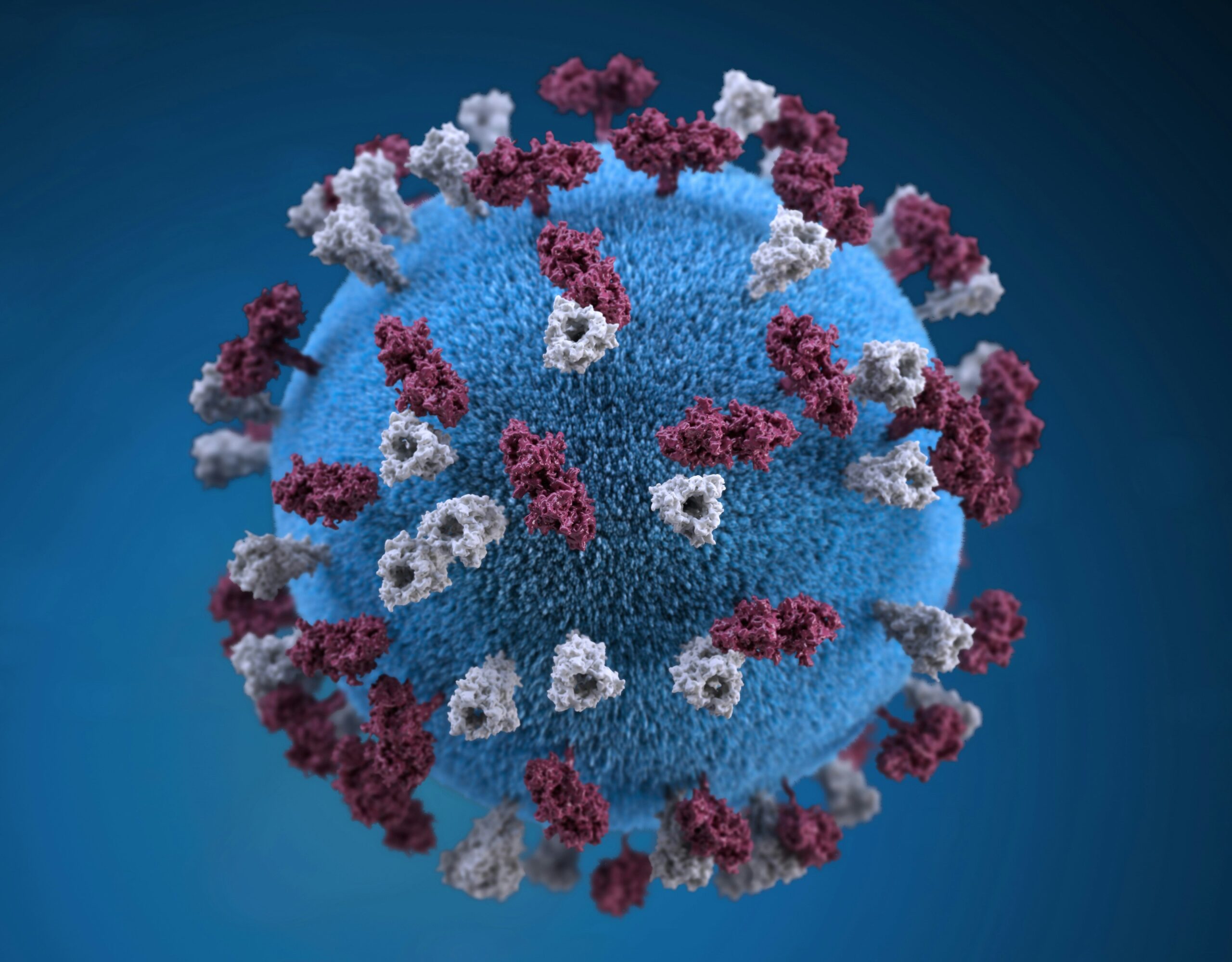
The State of Delaware Department of Health and Human Services is reminding Delawareans to stay up to date on vaccinations. The reminder is due to the Pan American Health Organization’s (PAHO) determination that the United States has lost its measles elimination status, which means measles will continue to spread for at least a year.
Measles is a highly contagious disease and, as of November 17, Delaware has reported 25 confirmed measles cases with 5,412 cases across the country as of November 12. According to Dr. Ramesh Vemulapalli, an Infectious Disease Specialist with Bayhealth, although measles was considered eradicated in 2000, there were still about 100 cases reported each year.
“In the last couple of years, we have seen a significant surge in cases,” Vemulapalli said in July when there was a small outbreak in Delaware. “In 2025, they had 2,000 plus cases in the United States and this year we have already crossed that number. I think the decreased vaccination rates among kindergarten children is leading to the increase. You need 95 percent to give society protection from the illness and that has fallen to 92.5 percent. In addition, some people lose immunity over time, or they may have had incomplete immunization.”
Measles can be very dangerous for pregnant women as they are at higher risk of pneumonia. Measles during pregnancy can also increase the risk of miscarriage, stillbirth, preterm birth and low birth weight. If a pregnant mother contracts measles shortly before or after giving birth, the newborn can develop congenital or neonatal measles which can be life-threatening.
“Symptoms for measles are fever, runny nose, cough and pink eye initially,” Vermulpalli said. “About four days after that, a person usually develops a rash that starts on the face and then spreads to the trunk and legs. Unfortunately, there is no specific treatment for measles. There is no antiviral medication you can take, so treatment focuses mainly on symptom management. Treating the fever, makings ure adequate hydration is given and symptomatic treatment for the rash.”
DPH has supported more than 75 vaccination events and outreach efforts across Kent County, helping residents access vaccinations and information about measles prevention. To date, DPH has administered 406 doses of the measles, mumps and rubella (MMR) vaccine as part of its response in addition to 585 routine MMR doses administered since January 1, 2026.
“We know some Delawareans have some concerns about vaccine safety, and it is our responsibility to listen and answer their questions,” Dr. Harrison Hines, DPH Director, said. “There’s more work to do. We must continue investing in public health education and disease prevention, while working with communities to understand their needs and where we can do better.”
Two doses of t he measles vaccine are 97 percent effective at preventing measles. Residents who are not sure if they have been vaccinated can check their records through the DEVAX Public portal or talk to their healthcare provider.