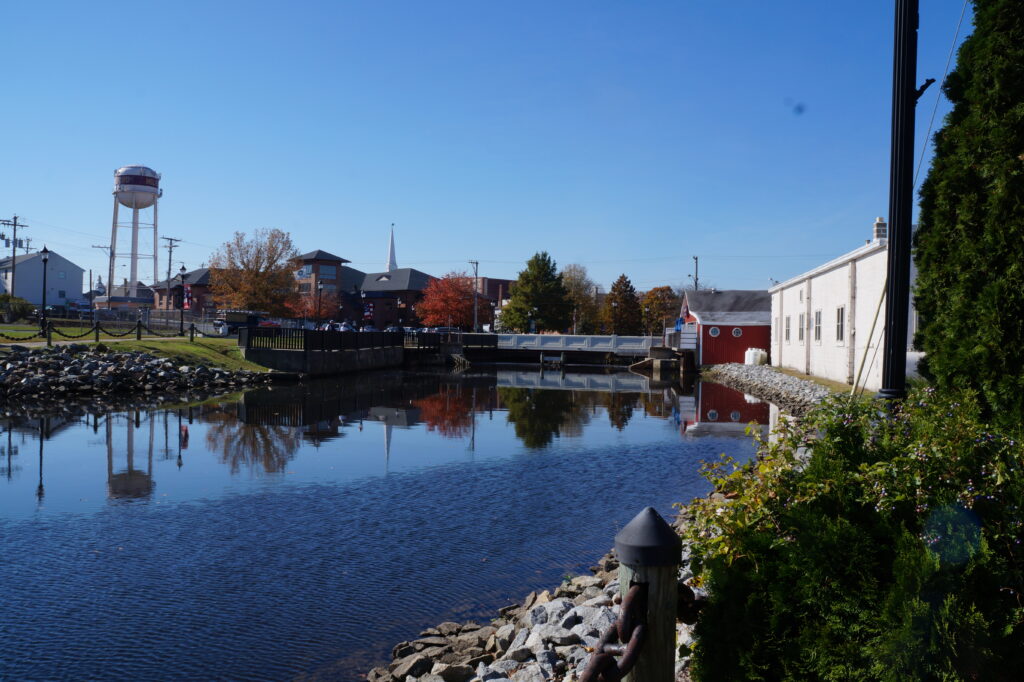





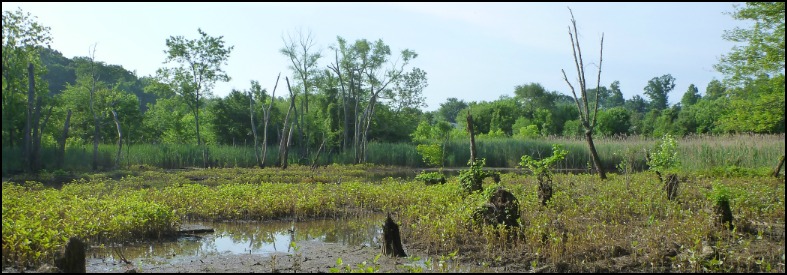
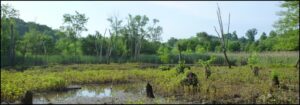
As November settles over Milford, the landscape begins its annual transformation. Trees shed their leaves, marsh grasses turn shades of gold and brown and the waterways become quieter as temperatures drop. Along the Mispillion River and throughout the surrounding wetlands, nature appears to be preparing for a long winter’s rest. Beneath that quiet exterior, Milford’s wetlands remain surprisingly active.
Wetlands are among Delaware’s most valuable natural resources, providing essential services that continue throughout the colder months. Although the growing season has ended, these areas still help control flooding, filter water and provide shelter for wildlife.
November often brings changing weather patterns, including periods of rain and occasional coastal storms. Wetlands play an important role in managing that wter. Acting much like natural sponges, wetlands absorb and temporarily store excess rainfall, helping slow the movement of water into surrounding streams and rivers. This is particularly important in low-lying communities such as Milford where heavy precipitation and tidal influences can contribute to flooding.
Wetlands also function as natural water filters. As runoff passes through marshes and wetland soils, sediment and certain pollutants can be trapped before reaching larger waterways. Even as plant growth slows during winter, the physical structure of wetland soils and vegetation continues to provide these benefits.
While summer wetlands are filled with buzzing insects, growing vegetation and active wildlife, November brings a different rhythm. Frogs and other amphibians begin seeking protected places in mud, beneath logs or among fallen leaves. Turtles become less active as water temperatures decline, with some species spending the colder months submerged in ponds or other sheltered aquatic environments.
Meanwhile, the tall grasses and reeds that dominated the summer landscape begin dying back above ground. Their roots, however, remain in place, helping stabilize soil and protect wetland areas from erosion. As dead plant material slowly decomposes, it contributes organic matter to the wetland ecosystem, supporting microorganisms and aquatic food webs.
The Mispillion Rover watershed includes a variety of wetlands, from freshwater areas near streams and floodplains to tidal marshes closer to the Delaware Bay. These ecosystems face continuing challenges. A Delaware Department Natural Resources and Environmental Control (DNREC) assessment of the Mispillion and Cedar Creek watersheds, conducted in 2012, assigned the area’s wetlands as an overall health grade of C.
Among concerns identified were invasive plants, drainage alterations and development near wetlands that can limit their ability to function naturally. The findings highlight the importance of protecting the wetlands that remain, particularly as development and changing environmental conditions place additional pressure on Delaware’s waterways.
Residents can help protect local wetlands by keeping litter and yard waste out of drainage areas, reducing unnecessary fertilizer use and preserving natural vegetation along waterways. November also provides an opportunity to appreciate these environments from a different perspective. With summer’s dense vegetation fading, the shapes of marshes, streams and wooded wetlands become more visible.
The next time you walk along Milford’s Riverwalk or travel through the surrounding countryside, take a moment to notice the wetlands that are quietly working in the background. They may appear dormant, but their role in protecting Milford’s environment continues throughout the year.