
 Camping is becoming a popular way for people to get away from the day-to-day grind. Many who purchase campers find themselves staying within 150 miles of home, according to the Outdoor Industry Association. If you are thinking about purchasing a camper, it is important to understand the various types available as well as the pros and cons of each.
There are two basic types of RV options which include motorhomes and towable. However, each type of RV can be broken down into additional classifications and which you choose will be dependent on several factors.
If you are considering a towable RV, the first thing to confirm is that you have a vehicle capable of towing the camper. You will need to determine the total amount of weight your vehicle can tow safely, keeping in mind that you will need to add the weight of the contents of the camper as well. The next consideration is how you will tow the RV.
A travel trailer hooks to the vehicle using a standard tow hitch. Travel trailers come in a wide range of sizes from small, one-person options that even a motorcycle can tow to larger options with slide outs and awnings. These are often the most cost-effective to purchase. The drawbacks for some include lack of storage space and the issues that come with towing, especially if you plan to travel in mountainous regions.
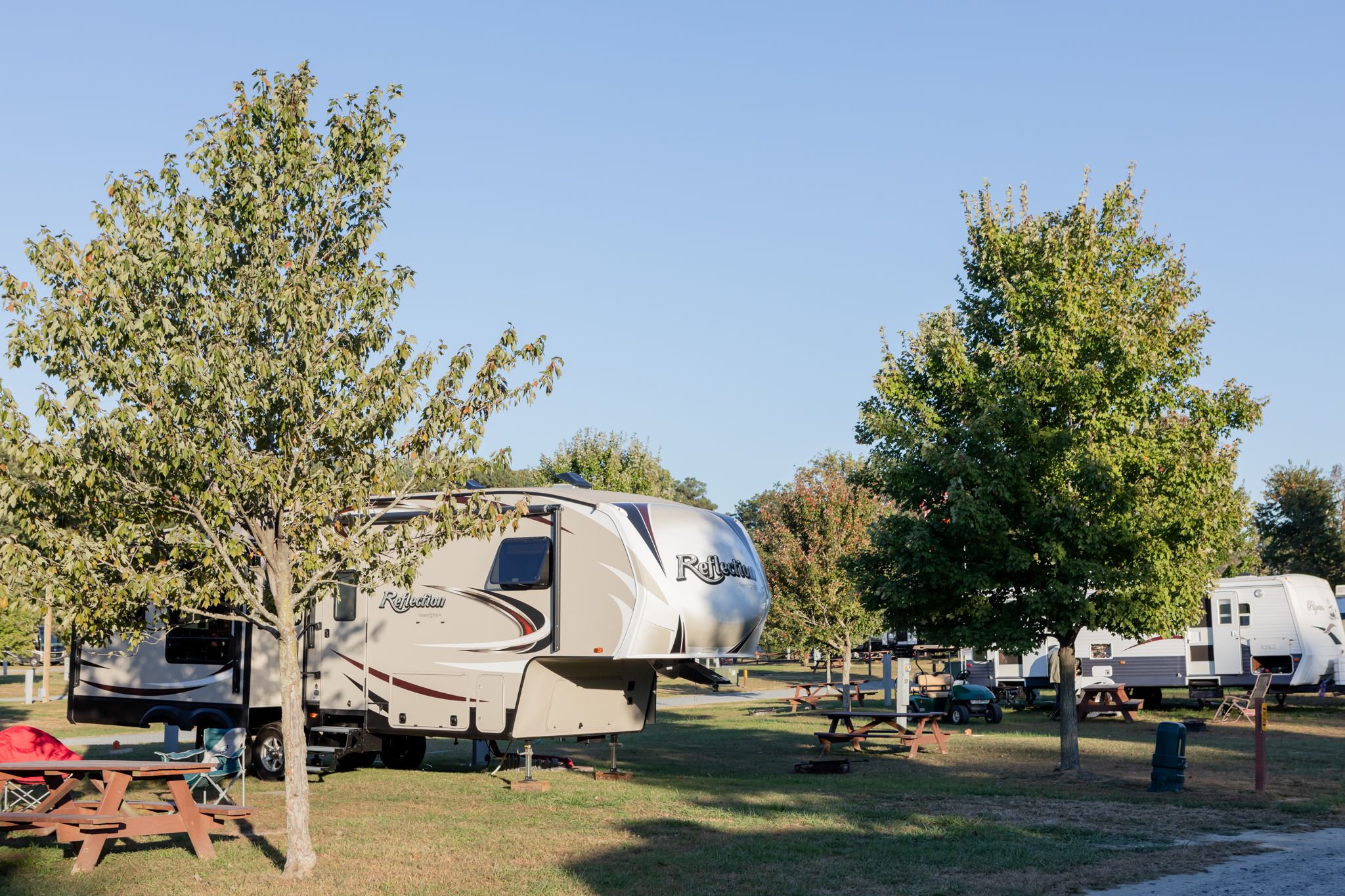
Fifth-wheel trailers are longer and heavier than travel trailers. They require a special tow hitch that is installed permanently in a truck bed. These often have significant storage space and amenities inside that some campers prefer. However, a fifth wheel needs a large truck to handle the weight and the hitch can be expensive to install.
Motorhomes are organized by class. A Class B motorhome is what many would call a camper van. They are small and handle exactly like a regular mini van. There are versions with an expandable wall to create more space, but those have a higher driving profile than a traditional camper van. Most of them only sleep two people although larger models may fit more. They often don’t have kitchen space although some do have a shower or wet bath option. The biggest drawback of Class B motorhomes is the lack of space, especially if the weather is not pleasant.
Class C RVs are the most popular of the drivable camper group. They are available in a wide range of lengths and floorplans which gives you some diversity in living space. If you have a large family, a Class C is a better option as they provide more sleeping space than Class B motorhomes. Many also offer outdoor storage and kitchens. Keep in mind that you may have to bring a tow vehicle with you if you plan to explore an area to avoid unhooking the RV each time you want to leave a campground.
The final option for motorized RVs is Class A, by far the largest of the three. Many are built on commercial bus or truck chassis while some are constructed on specialized motorhome chassis. This type of RV offers a sense of luxury and the closest to “home” as possible. There is plenty of storage space and it is easy to access the kitchen or bathroom while traveling. Keep in mind that these vehicles are very large and may be harder to maneuver on busy highways. They can also be difficult to park and are not fuel efficient. They are also available in both diesel and gas options. Class A motorhomes are the most expensive to purchase, even when they have fewer amenities.
Overall, it is important to have an idea what you are comfortable driving that will match the amenities you will need while you are camping in a new RV. Many experts suggest renting various options before buying to determine if camping is right for you and to see what RV may be suit your needs.