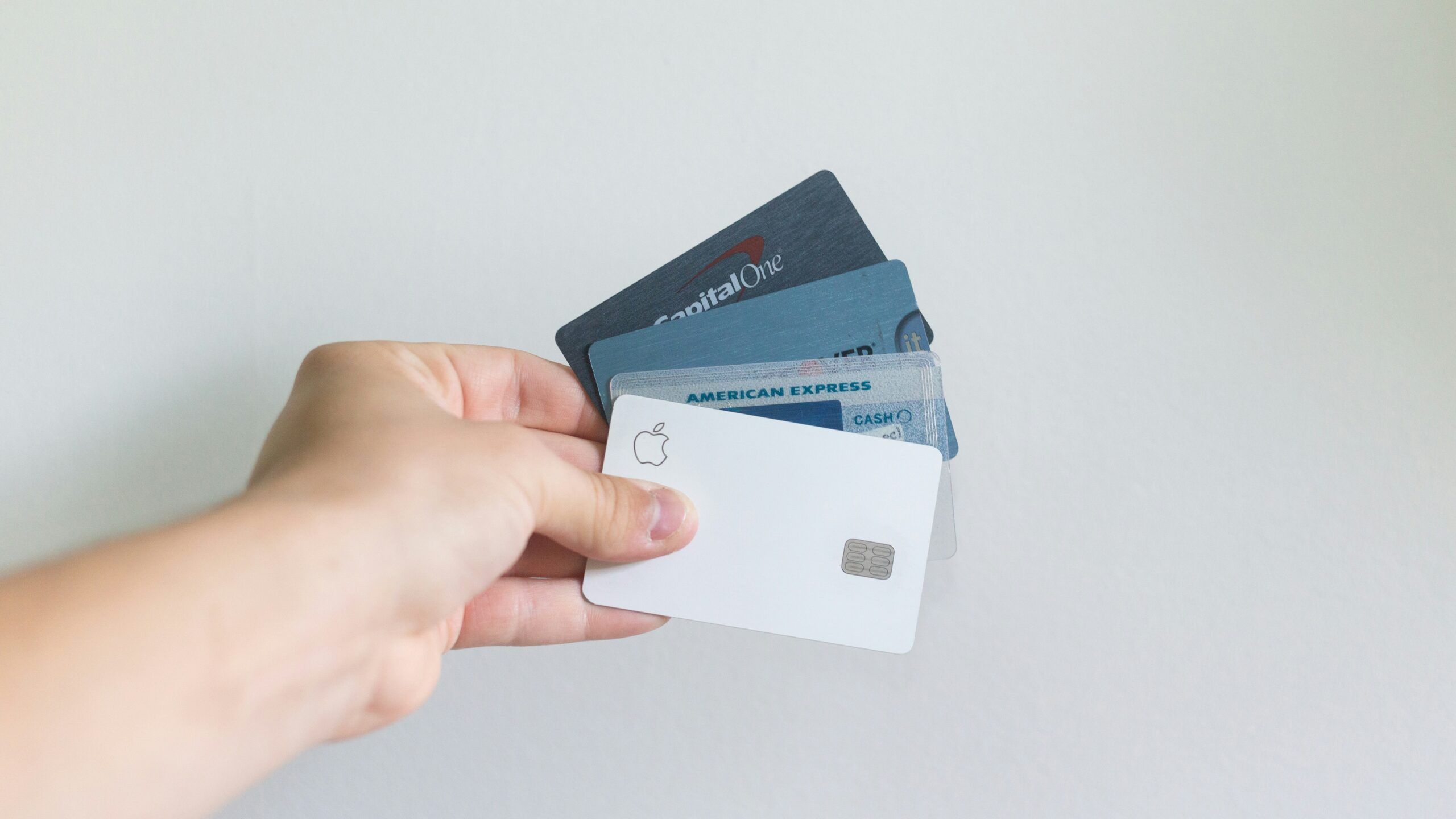


There are few numbers in your life that are more important than your FICO score, more commonly known as your credit score. FICO, which stands for Fair Isaac Corporation, is a numerical representation of your creditworthiness. This score impacts whether you can buy a house or car, get a credit card or personal loan and may even impact your ability to get a job.
A FICO store is a three-digit number based on what is included in your credit report. FICO scores range from 300 to 800+. A score over 800 is considered exceptional while scores between 740 and 799 are considered very good. A score of 670 to 739 is good while a score of 580 to 669 is considered fair. Anything below 580 is considered poor.
A credit report contains four elements. The first is personal information which is compiled from what you submit on credit applications. This includes your name, address and other personal information. The next element is your credit history which provides details on how you manage the money you owe. The third element includes inquiries which are added whenever someone views your credit. Finally, public records which may include judgements or liens against you.
According to Tax Chicks, three agencies track credit scores, and they include Equifax, Experian and TransUnion. Consumers are entitled to one free report every 12 months from each of the credit reporting agencies. The easiest way to obtain all three reports is through AnnualCreditReport.com. It is recommended that all consumers review their credit report at least once each year to address any errors that may exist, determine if they have been a victim of identity theft or determine eligibility for loans.
For those with a credit score below 540, there is no need to give up on qualifying for loans as there are steps that can be taken to improve credit. After reviewing the report, correct any mistakes in writing with the credit reporting agency. All three offer online dispute options to correct mistakes. You can also write to the creditor and request an update but be sure to send any correspondence via certified mail.
Pay all bills on time as even one late payment can hurt your credit score. In most cases, payments that are more than 30 days late will appear on your credit report, but some companies may report late payments sooner. One of the best ways to be sure your payments are made on time is to budget them the same as you do your mortgage and food.
Keep balances on credit cards low as having a high debt-credit limit ratio can lower your credit score. Whenever possible, pay off credit cards every month rather than carry a balance.
If you have credit cards you do not use, do not close them. Also, do not believe creditors who claim if you open a credit account with them it will increase your score as that does not always work and may negatively impact your score.
Try to set up an emergency reserve in savings, even if it is just a few dollars each month. Skip unnecessary expenses like lattes or lunches out to build a savings account. One tip is to open an account in a bank or financial institution that is not close to you, so it is more difficult to withdraw funds rather than open one and attach it to your checking account.
If your credit score is below 540, consider working with your creditors to reduce your rates as you work to pay them off. Try to maintain a stable job and residence while you work to improve your rates. There are laws related to how long negative information can remain on your credit report. Late payments, charged-off accounts and collections can remain for seven years from the date of the missed payment that made you delinquent. This includes Chapter 13 bankruptcies. A Chapter 7 bankruptcy can remain for up to ten years, but many drop off after seven. Lawsuits and judgements also typically drop off after seven years, but state law can allow them to remain longer.
The best way to protect credit is by paying on time, not getting significantly into debt and keeping a steady income. Even if you have allowed your credit to suffer, a few simple steps can help you get back on track again.