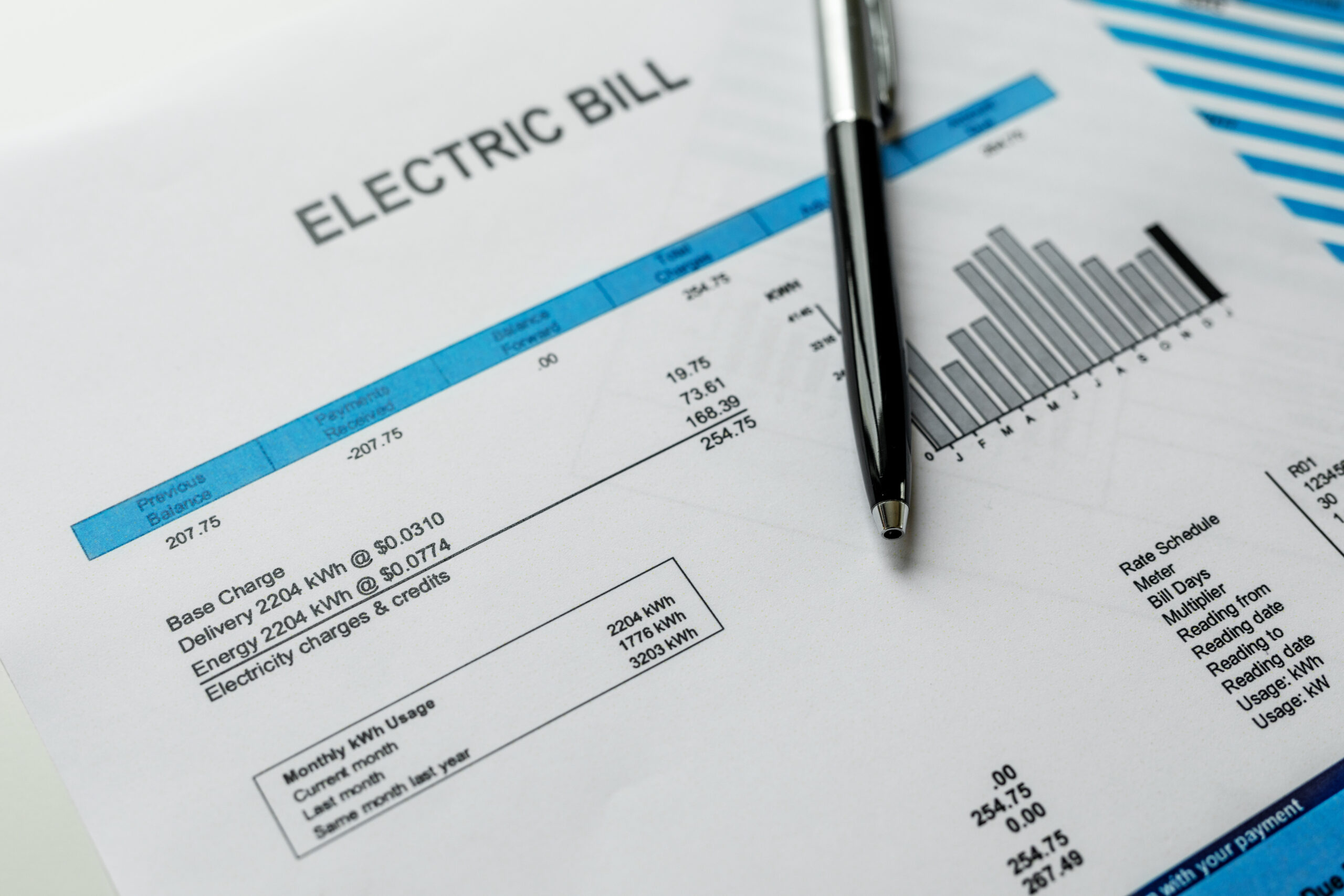


Across the country and here at home, costs are climbing. Utility costs are no exception, and you’re probably wondering what’s behind these increases. Besides your electric use, there are many factors included in the cost of delivering power, according to the City of Milford. They provided details on four of the top electric cost drivers and how public power works to protect communities by keeping costs down and helping customers save money.
Even when families use the same amount of electricity, the cost to deliver that power can change. These costs stack up, impacting your total bill.
Power generators use fuel to make electricity. Fuel prices can go up and down, fluctuating throughout the year— similar to gas prices for your car. You might notice that gas prices tend to go up before a big holiday when more people are likely to travel. Power costs also go up when lots of people use more electricity at the same time. Current events and policy changes also influence the cost of materials, stacking up even more costs for the consumer.
Utilities must also meet federal, regional, and state rules — such as renewable energy standards and emissions limits — that add to the cost of electricity, regardless of their benefit or intent. Utilities do not decide how dollars from state and federal programs/projects are spent, just like how people do not get to decide how their tax dollars are spent. Examples include the Regional Greenhouse Gas Initiative (RGGI) and cost allocations from the Federal Energy Regulatory Commission (FERC) such as the Indian River Reliability Must Run (RMR) charges.
Moving power from where it’s generated to homes and businesses requires maintaining and upgrading power lines. All utilities share the cost of building, fixing, and taking care of those power lines and poles. The cost to utilities is decided at the federal level, with severe weather precautions, regional grid planning, and innovation impacting these costs.
Like a mall plans enough parking for Black Friday, utilities must plan for times of peak use like the hottest days of summer. This ensures there’s enough electricity, anytime you need it. Even if you don’t need that much electricity all the time, we make sure there is always enough for everyone, so no one goes without power when they need it most. When there is not enough power, similar to a mall needing a bigger parking lot, it takes time, planning, and money to increase availability. That is when costs start to really add up.
These cost drivers are not unique to any one utility even though they may address them differently. Delaware’s municipal electric utilities are public power providers — not-for-profit and community-owned. This means:
- Rates are set to cover actual costs, not to generate profits.
- Money stays in the community, funding local services and economic growth such as local parks and recreation programs, our local police department, and more.
- Decisions are made by local leaders who know their community’s needs.
While certain system costs are out of our local control, the public power utilities in Delaware are helping customers lower their bills with:
- Efficiency Smart: https://www.efficiencysmart.org/milford-delaware Rebates and incentives for energy efficient appliances and lighting.
- Customer Energy Savings Tool: https://www.efficiencysmart.org/milford-delawareOne-stop shop to learn more about where you use the most energy and what will bring you the biggest savings. It connects to utility, state, and federal programs through an online Home Energy Audit for even more savings opportunities.
- Customer Support: Payment plans, electric bill advice, appliance recycling, and resources to help manage energy use wisely.
For more resources and information on programs available in your community, visit:https://www.efficiencysmart.org/milford-delaware.