

Although the air is cold, Prime Hook National Wildlife Refuge is the perfect place to escape to a quieter, nature-filled landscape. The refuge offers sweeping marshes and wetlands a part of a 10,000-acre protected habitat
Prime Hook National Wildlife Refuge was established in 1963, situated within the Broadkill and Cedar Creek Hundreds of Sussex County. Originally, the county was known as Hoorenkill or Whorekill while the refuge itself was called “Priume Hoek.” The Dutch translation means Plum Point and was named due to its overabundance of purple beach plums.
In 1963, the federal government named Prime Hook a national wildlife refuge under the authority of the Migratory Bird Conservation Act. It began as a satellite of its sister refuge to the north, Bombay Hook and the land is managed specifically for wildlife. In 1986, the endangered Delmarva Fox Squirrel was reintroduced to the refuge and a headquarters building constructed in 1997. It was that year that the Friends of Prime Hook was also established.
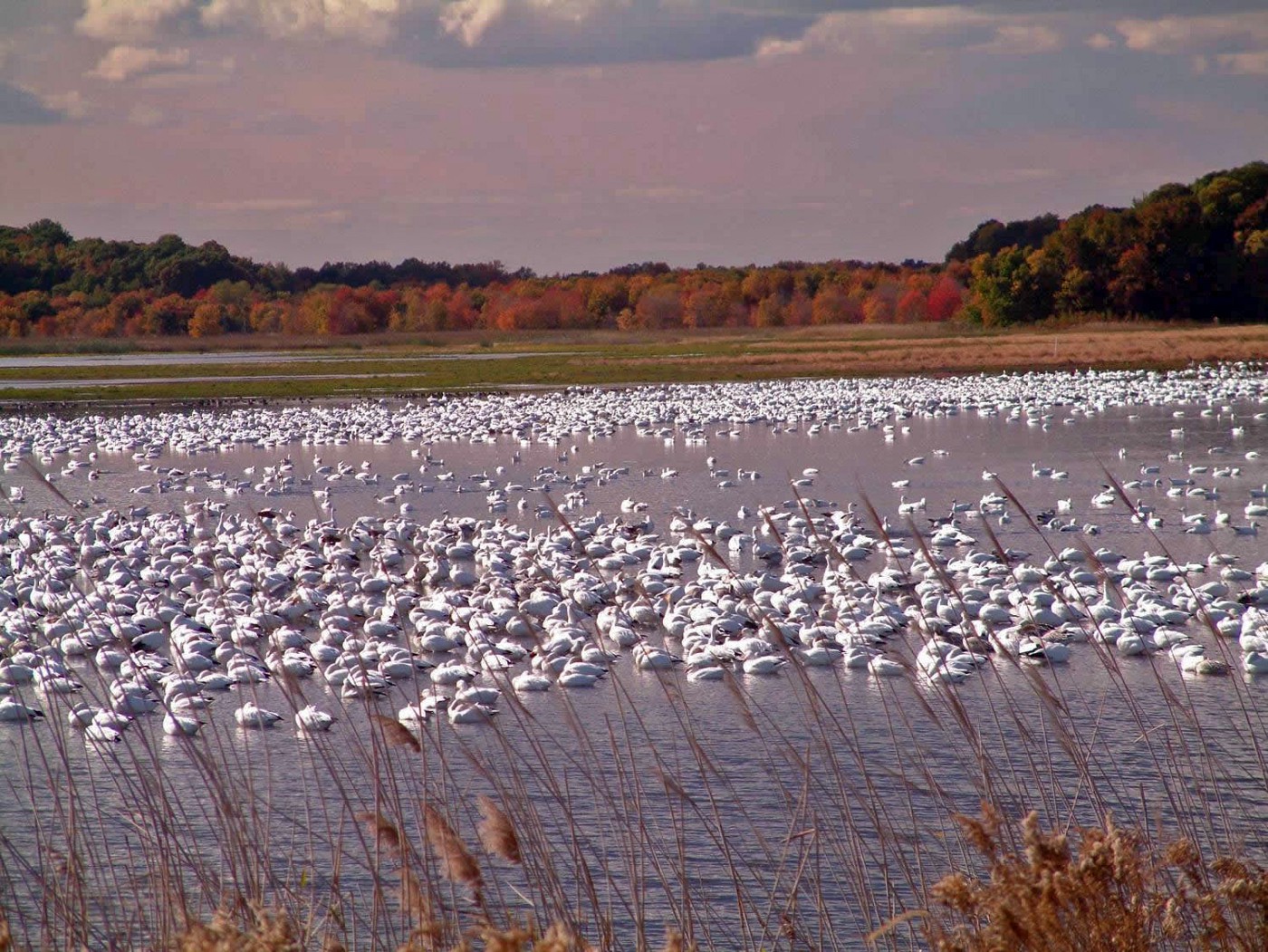
In 2000, Prime Hook became an independent refuge, and, in 2007, Bombay Hook and Prime Hook became the Coastal Delaware National Wildlife Refuge Complex. Located int eh Atlantic flyway, the refuge hosts hundreds of thousands of migratory birds. Although many of these birds have migrated to other parts of the country in winter, it is still the perfect place to see wildlife in its natural habitat.
Snow geese, Canada geese and many ducks spend winters in Prime Hook, adding color to the landscape. Hiking trails and a boardwalk loop provide a way to experience winter at close range. Even with the dormant vegetation, Prime Hook offers views of bald eagles, great blue herons and other wildlife with the backdrop of natural light perfect for photographers.
There is a Visitor Center located at 12322 Turkle Pond Road in Milton. It opens every day about a half hour before sunrise to half an hour after sunset. It is closed two days a year for limited deer hunting.
For those willing to brave colder temperatures, Prime Hook offers a blend of serene beauty and active wildlife, reminding them that even in the off-season, the natural rhythms of the Delaware coast are worth discovering.