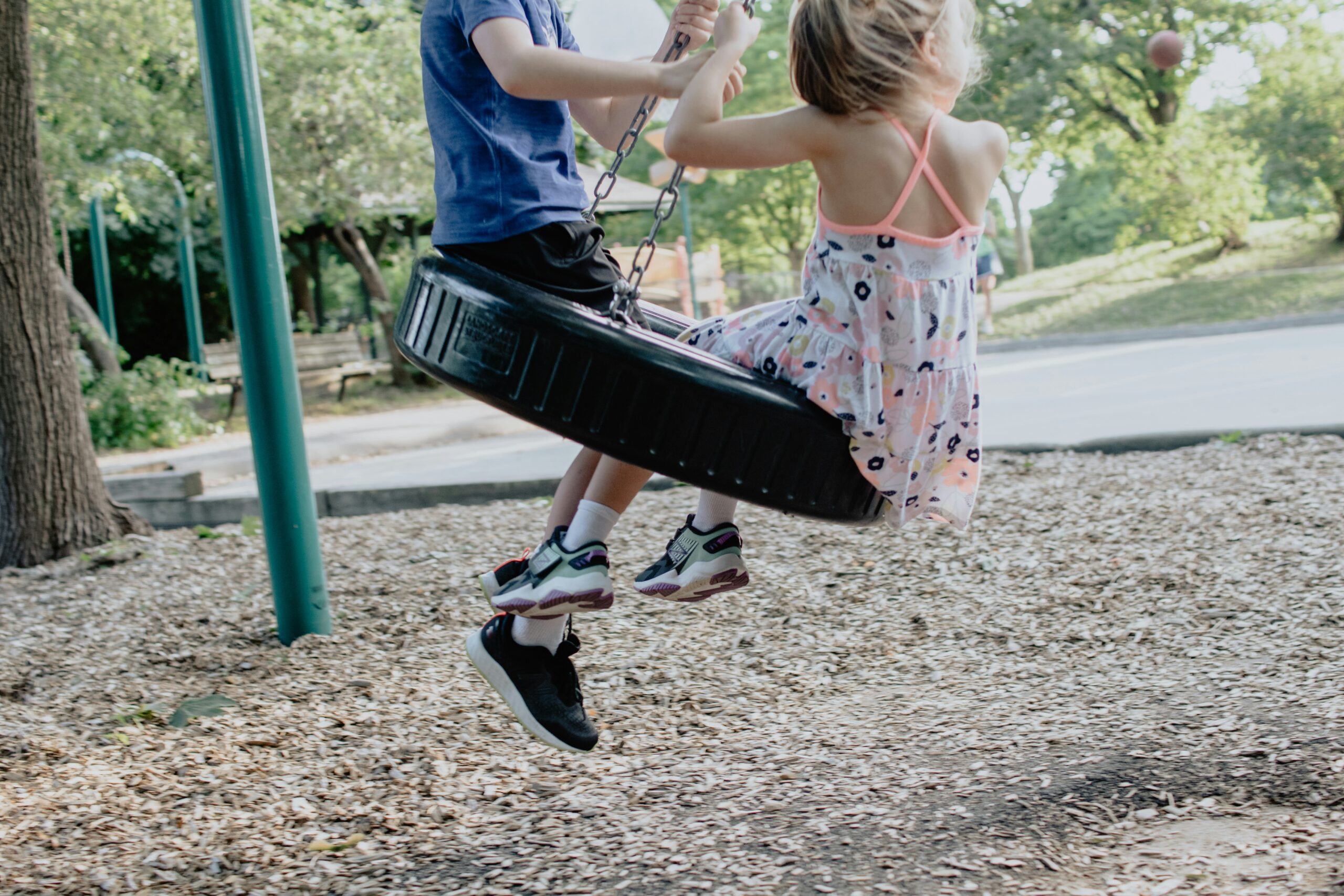


During the summer, sunshine and warm weather draw children outside to play, but it is important to follow a few safety tips, according to pediatrician Taqdees Afreen, MD. Not only should parents supervise play, but they should also watch out for potential injuries that are common in the summer.
“We don’t recommend flip flops outdoors,” Afreen said. “Choose something more protective for riding bikes or scooters to protect the tender feet of children. Remember that pavement and sand can get to high temperatures in the summer and since children have skin that is more tender than adults, they can burn easily. Adults should touch sliding boards, swings and metal chains as they can also heat up in the sun and burn children.”
Sunscreen should be applied every two hours and use an SPF greater than 15, but base how much is applied on your child’s age. Afreen stated that only a little sunscreen, and one that contains titanium or zinc oxide, is recommended for babies.
“Use the teaspoon rule, not measuring exactly, but visualize that size, when applying sunscreen to toddlers and older children,” Afreen said. “Use one teaspoon on the face,neck and upper extremities, then two teaspoons on the torso, front and back. Apply it 15-20 minutes prior to sun exposure and reapply every two hours, but not more frequently than that.”
Afreen also said that they do not recommend a combination insect repellant and sunscreen, suggesting that parents apply insect repellant after applying sunscreen. Another option is to use clothing to cover exposed skin on children under six months old, such as a hat with a brim and long-sleeved beachwear with wicking properties.
“Keep everyone well hydrated. Although babies need breast milk or formula, toddlers need four cups of beverage each day, either water or milk, rather than juice or sodas,” Afreen said. “Children ages four to eight need five cups of beverage and those over eight need seven to eight cups of water each day. We recommend plain water as excessive sugar in juice or soda is bad for children’s teeth.”
If your child seems irritable, experiences muscle cramps or headaches, they may be dehydrated. Monitor the wet diapers of infants and if the skin of a baby appears very flushed, they may also be dehydrated.
Children need to wear helmets all the time when they are on bicycles, skates or scooters, even for short rides,” Afreen said. “The helmet should fit the child’s head and the strap needs to be snug but not too tight. Parents can set a good example by wearing helmets when biking with children. Teach children basic bicycle safety and supervise them when they are biking. Children need to know how to avoid hitting people and how to watch for hazards.”
Both children and adults should watch food intake, especially foods that should be refrigerated. Cool foods should not be left out in the summer heat. Afreen pointed out that frothy liquids in canned goods or food that smell “off” could indicate they are spoiled and should not be eaten.
“Signs of food poisoning could be stomach cramps, diarrhea and nausea,” Afreen said. “Most cases don’t require hospitalization, and it will get better on its own. But there are symptoms that could indicate a more serious situation, such as high fevers, bloody diarrhea and decreased sensation in the lower extremities. Call your doctor immediately if that happens.”
Afreen pointed out that food poisoning usually affects multiple members of the same family.
Afreen cares for pediatric patient’s newborn to 18 at Bayside Pediatrics in Milford. The practice is accepting new patients. Call 302-725-3550 or visit Bayhealth.org/Pediatrics to learn more.