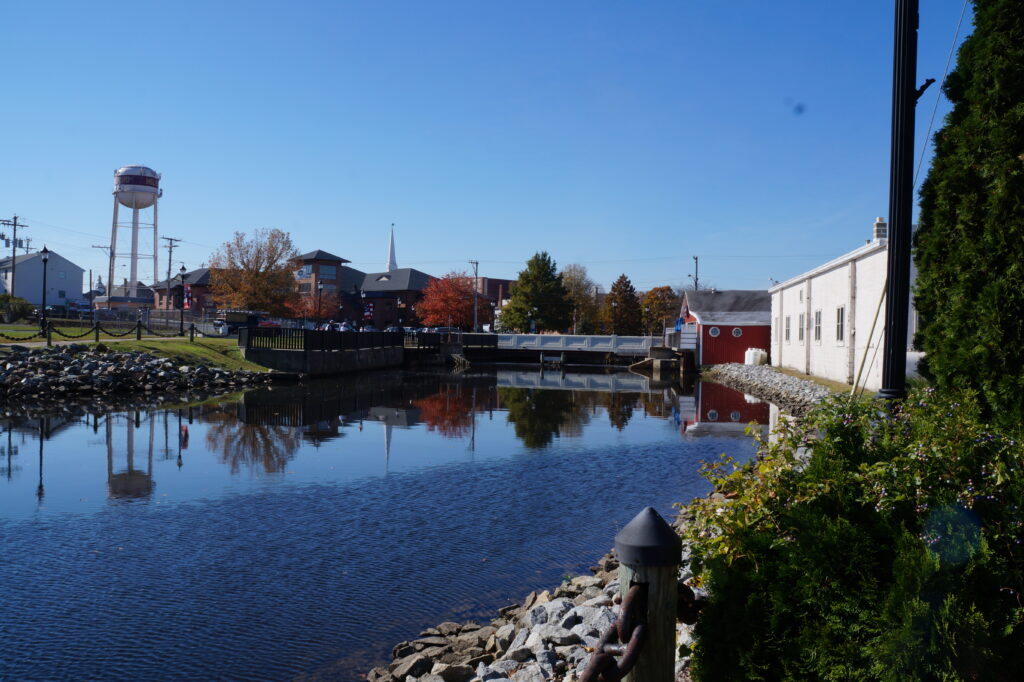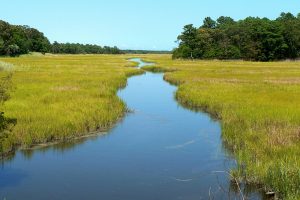


Along the quiet curves of the Mispillion River, where marsh grasses ripple in the breeze and herons glide just above the water, change is coming. Milford, a city celebrated for its small-town charm and riverside beauty, stands at a pivotal moment. It is one that will define how it grows while protecting the wetlands that have long safeguarded it from the sea.
Over the past decade, Milford has seen steady population growth and an influx of new housing and commercial projects. The city’s proximity to Delaware’s beaches and its location between Kent and Sussex counties make it an attractive place to live. But as new developments push outward, the question looms: how can Milford balance expansion with environmental preservation?
“The marshes around the Mispillion aren’t just beautiful,” said Sarah Givens, a coastal ecologist with the Delaware Department of Natural Resources and Environmental Control (DNREC). “They’re living infrastructure. They filter stormwater, absorb floodwaters, and provide critical habitat for fish, crabs, and migratory birds. When we lose wetlands, we lose that natural protection.”
The Mispillion River and its surrounding marshes have historically served as buffers during storms, soaking up heavy rainfall and storm surges that might otherwise flood downtown Milford and nearby neighborhoods. But recent years have brought more frequent flooding, a trend scientists link to rising sea levels and stronger coastal storms.
A DNREC report released earlier this year identified several low-lying areas near Milford that could face chronic flooding within the next two decades if sea levels continue to rise at their current pace. The agency estimates that Delaware could see more than a foot of sea-level rise by 2050.
Local residents are already noticing changes.
“We used to see the water creep up maybe once or twice a year during big storms,” said a Milford resident who has lived along South Rehoboth Boulevard for 20 years. “Now it feels like every heavy rain pushes the river a little higher. The ground just doesn’t drain the way it used to.”
City officials acknowledge the challenge of accommodating growth while protecting the fragile ecosystems along Milford’s waterfront.
One promising initiative is the city’s collaboration with DNREC on living shoreline projects, which use natural materials like oyster shells, native plants, and sand to stabilize eroding riverbanks. Unlike traditional bulkheads, these living structures absorb wave energy and provide habitat for wildlife.
At the same time, local conservation groups are working to restore native marshland. The Delaware Nature Society and The Nature Conservancy have both partnered on projects aimed at reconnecting tidal flow and planting salt-tolerant vegetation to strengthen the ecosystem’s resilience.
Residents, too, are playing a role in shaping Milford’s environmental future. Volunteers regularly gather along the Mispillion Riverwalk for cleanups and educational events, removing debris and learning about the wildlife that depends on the marsh.
According to experts, the more people understand what’s at stake, the more they want to help. They understand that the marshes are part of Milford’s identity and that protecting them is more than environmental.
Looking ahead, experts say that successful coastal management will depend on continued collaboration between government agencies, developers, and residents. Milford’s marshes may be at a crossroads, but many see that as an opportunity to model how a growing community can coexist with its environment.
As Thanksgiving nears and residents prepare to gather along the river’s edge, the marshes will stand as they always have — quiet, enduring, and essential. What happens next will depend on the choices Milford makes today.