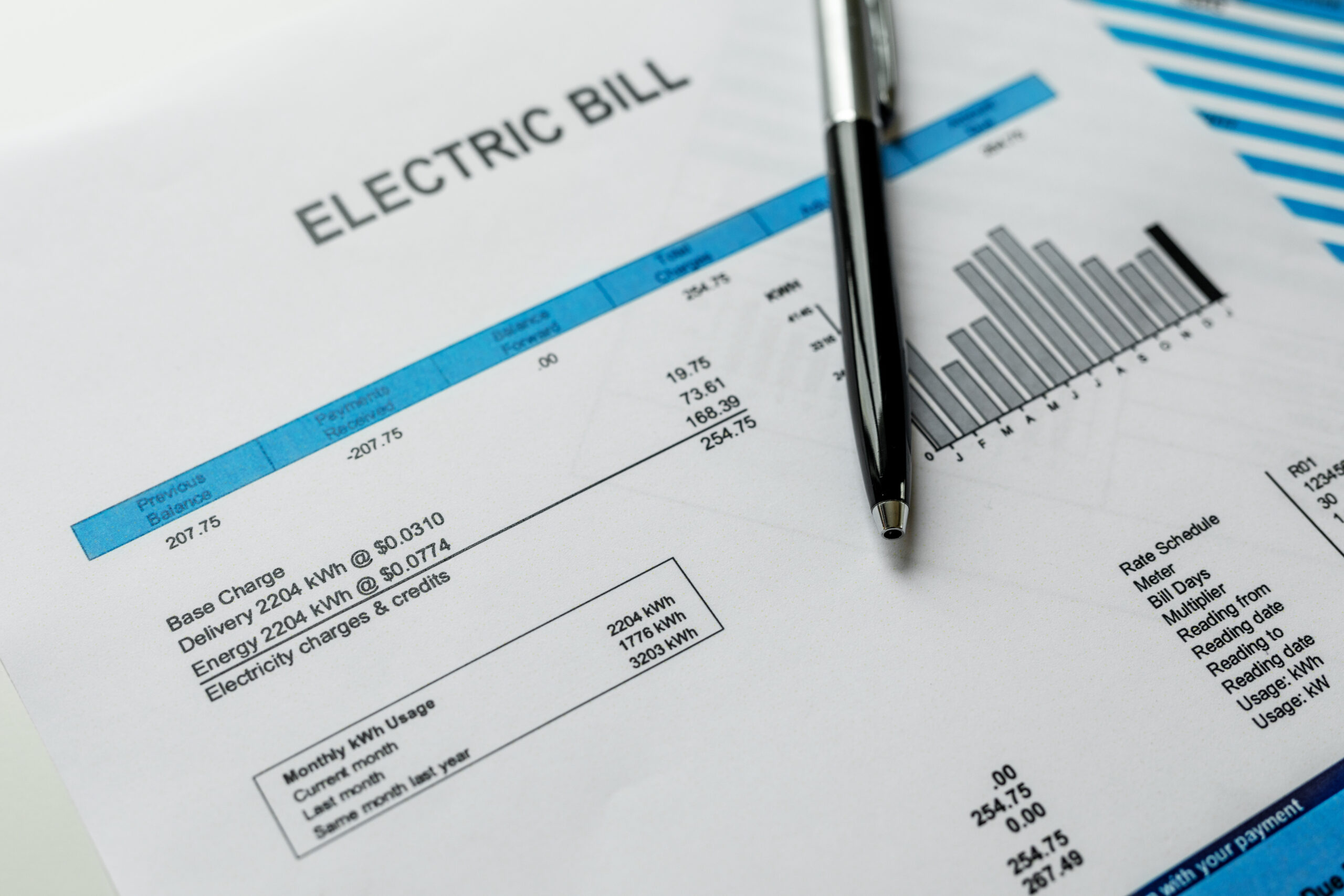


Social media posts in early January seemed to focus on one particular issue – higher Milford electric bills. According to the City of Milford, the higher bills are related to consumption and not increases from the city.
“Average usage was higher in December than it was in November,” Lauren Swain, Economic Development and Community Engagement Administrator said. “This is true for residential, commercial, industrial and in total. Colder weather in December is likely the primary reason for higher usage compared to November.”
Many people are unaware that every time electric is used, it can increase bills. Some of the posts commented that they used oil or gas heat, so the cold weather should not have impacted them. However, oil and gas furnaces are normally ignited using electricity. Each time a furnace comes on, it uses electric which means if it comes on multiple times each day, it impacts electric costs.
“The most recent rate increase was July 1, 2025, and that was approved in 2023, so rates did not go up between November and December,” Swain said. “Those using budget billing settled their accounts in September, so that was not the reason. It was simply using more electric than in the previous month.”
Swain suggested comparing energy usage on the back of the utility bill to prior months and the same month last year. City electric bills feature 13 months of usage statistics and make it easy to see where usage was higher.
“Residents should also use resources such as Milford’s CentrVu customer portal, Milford’s Energy partner Efficiency Smart, online calculators on Milford’s energy resource page and Energize Delaware to understand what household equipment and appliances use the most energy and identify what they can do to help reduce energy.”
Another factor that likely impacted electric bills were the holidays. Christmas lights, Christmas trees, baking cookies and cooking larger meals can all impact someone’s electric bill. A six-foot Christmas tree with 600 LED lights, a lighted wreath, a small lawn ornament and a 500-foot string of LED lights on your roof can add almost $20 to an electric bill. If you use iridescent lights, the cost rises to over $130 in a month. Baking one batch of cookies adds as much as 30 cents per hour. Large roasts like ham and turkey can cost as much as $1.35 per meal. Although those seem like low numbers, the average person spends over 14 hours on Christmas baking alone, adding almost $5.
“Anyone who is struggling to pay their electric bill should reach out to the City Customer Service Department,” Swain said. “They do have resources available to help.”
The city offers details on how to understand electric bills online as well.