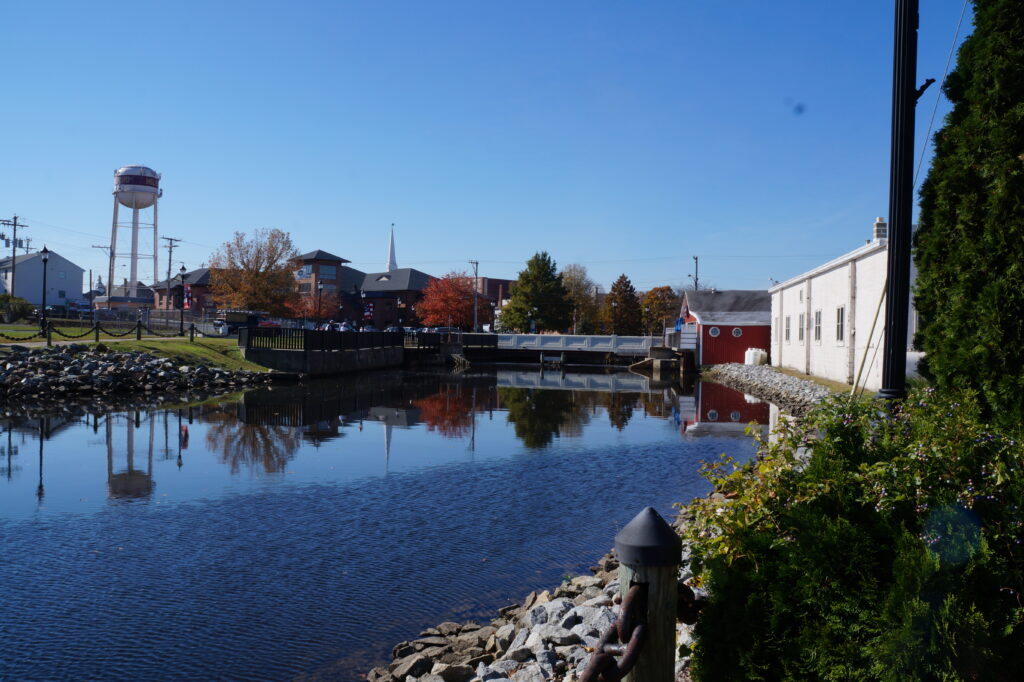

 Migratory and endangered bird nesting will close The Point at Cape Henlopen, according to Delaware Department of Natural Resources and Environmental Control (DNREC) beginning March 1.
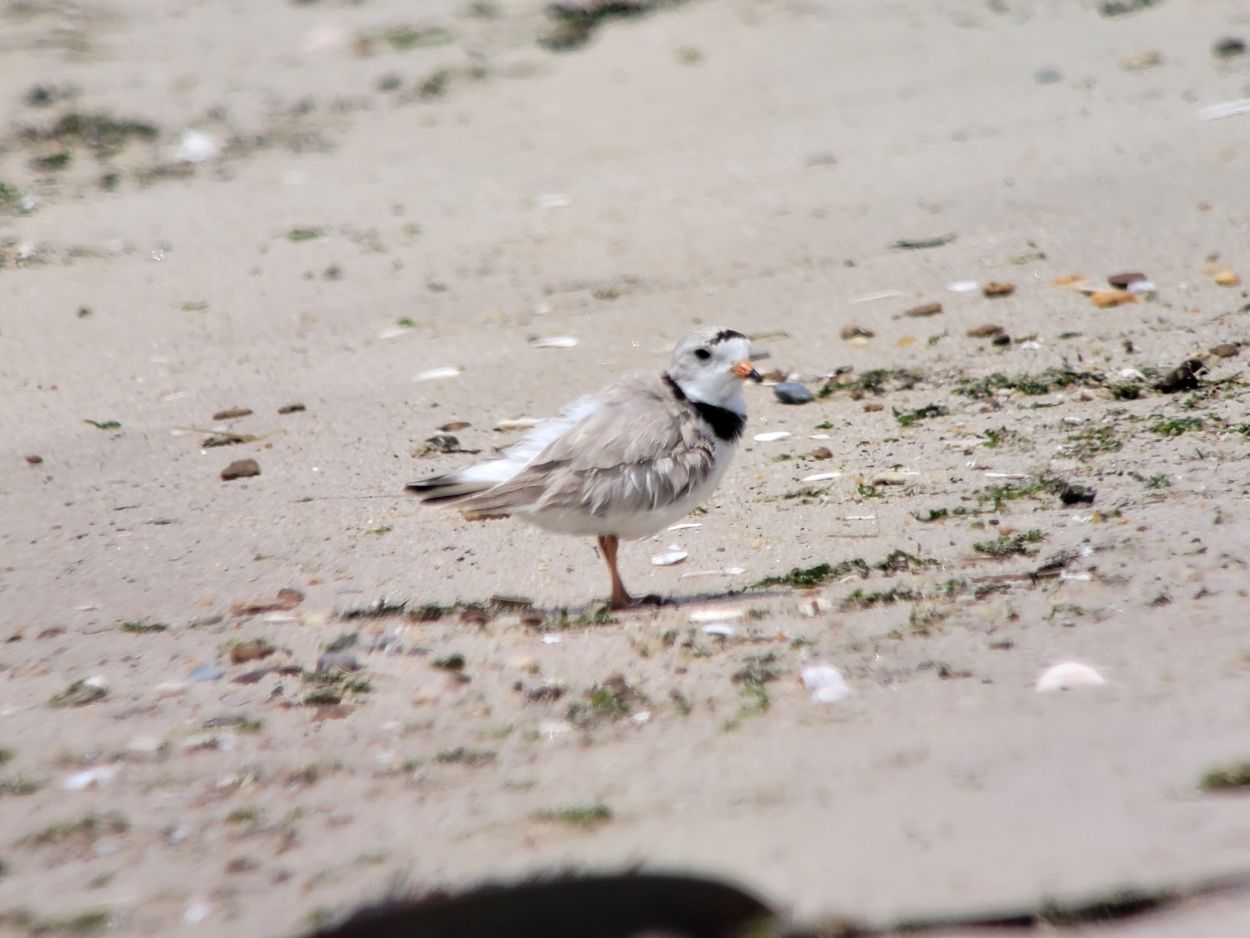
The seasonal closure, which includes portions of both the Atlantic Ocean and Delaware Bay beaches, is a long-standing conservation measure aimed at protecting birds such as the piping plover, American oystercatcher, least tern and red knot during nesting and migration periods.
The Point has closed each spring and summer since 1993 to reduce disturbances during the birds’ most vulnerable times. DNREC’s Division of Fish and Wildlife conducts regular surveys at the site to track nesting success and population changes among these species.
During the 2025 nesting season, scientists reported mixed outcomes for some of the species monitored at The Point.
The piping plover, a federally listed threatened species, showed encouraging signs locally. Researchers documented nine adult pairs nesting at The Point, the highest number recorded there since monitoring began. However, statewide nesting success declined due to predation and challenging climate conditions.
Despite those challenges, productivity which is measured by the number of fledglings per nesting pair, remained typical for the site.
Researchers also tracked nesting activity for other coastal birds. Two American oystercatcher pairs attempted to nest in 2025, though no chicks survived to fledging age. Meanwhile, least terns made 53 nesting attempts last year, and although some eggs hatched, no confirmed fledglings were recorded.
The protection of shorebirds at The Point has direct ecological importance for communities along Delaware Bay, including Milford. Many of the bird species protected at The Point rely on Delaware Bay beaches during migration to feed on horseshoe crab eggs, a critical food source that fuels their long journeys between South America and the Arctic. These same migratory patterns influence coastal ecosystems throughout Kent and Sussex counties.
Healthy shorebird populations help maintain balance in Delaware’s coastal environment, which supports tourism, recreational fishing and wildlife watching. These are all important economic drivers for nearby communities like Milford.
Conservation efforts also support the broader ecological health of the Delaware Bay watershed, which impacts water quality, fisheries and coastal habitats throughout the region.
DNREC officials say the closure will remain in place through the peak nesting season. The ocean-side beach at The Point is scheduled to reopen September 1. The bayside beach will remain closed until October 1 to protect migrating shorebirds heading south for the winter. Additionally, the dune areas behind symbolic fencing will remain off-limits year-round because they serve as fragile nesting and habitat zones.
DNREC’s Divisions of Parks and Recreation, Fish and Wildlife and Watershed Stewardship have worked together since 1990 to implement a coordinated management plan to protect shorebird populations in Delaware.
These efforts include habitat protection, monitoring programs and public education aimed at ensuring that threatened bird species can continue to nest and migrate successfully along the Delaware coast.
The closure also comes during a milestone year for Delaware’s park system. Delaware State Parks is celebrating its 75th anniversary in 2026, marking its growth from three parks in 1951 to a system that now includes 17 state parks, 22 nature preserves, the Brandywine Zoo and the Indian River Marina, protecting more than 27,000 acres statewide.
DNREC encourages visitors to explore other areas of the park while the protected habitat at The Point remains closed.