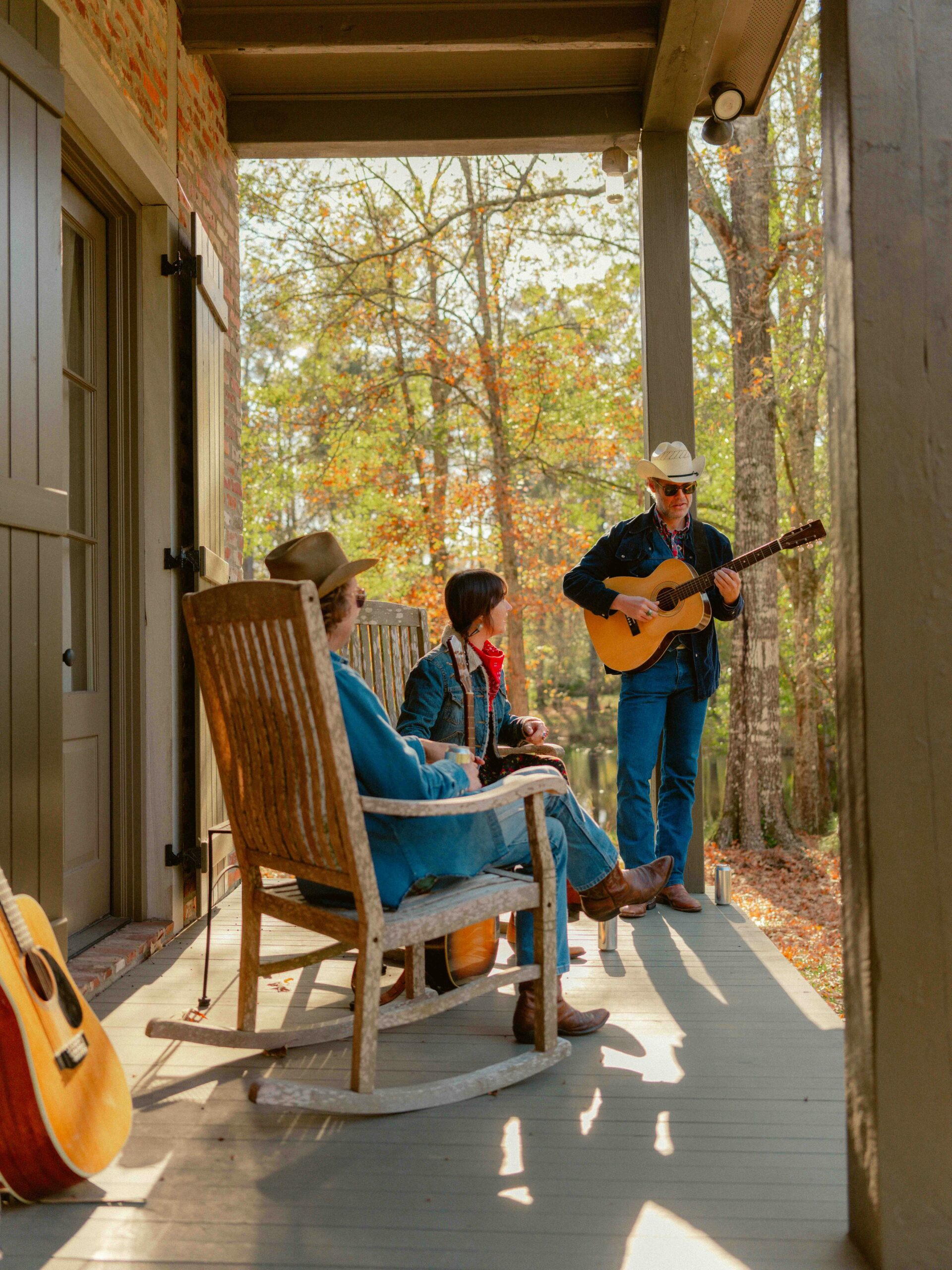

 If you have started hanging out on your front porch with neighbors more often or gathering in driveways for cocktail parties or other events, you may not realize that these gatherings have a name. Micro Outdoor is actually a bi-product of the COVID-19 pandemic. They are not limited to homes and neighborhoods as other new gathering spots are also related to the pandemic restrictions.
During the pandemic, restrictions on indoor gatherings and concerns about virus transmission pushed individuals, businesses, and local governments to rethink how outdoor space could be used. Sidewalk seating, pocket parks, curbside parklets, expanded patios, and temporary plazas quickly appeared as safe alternatives for socializing, dining, and recreation.
From people turning their driveways into a pickleball court at a “Boozy Brunch” to lawn chairs at the end of the driveway with neighbors sipping cocktails, micro-outdoors has become commonplace.
“When I had an overabundance of mint, I had a mojito cocktail hour on my front porch,” Nadia Zychal said. “I need to bring this back.”
Milford’s Mayor Todd Culotta turned his garage into a cigar room.
“If the garage door is open, smokers are welcome!” he said.
Towns are also looking at micro-outdoor spaces. What began as a public health response has since evolved into a broader shift in urban and neighborhood design. Micro outdoor areas, typically small and low-cost, offer flexible uses in spaces once reserved for cars or unused right-of-way.
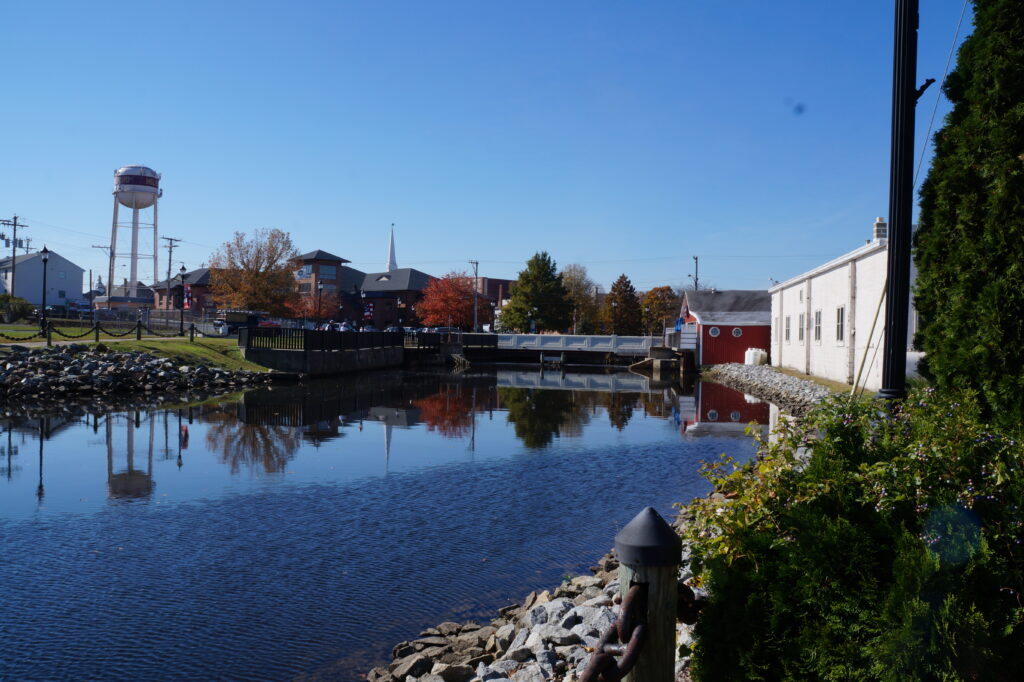
“We are looking into grants to convert two alleys in Milford into beautiful connectors from Walnut Street to Southwest Second Street,” Sade Truiett, Downtown Milford Coordinator, said. “These will have benches, flowers and possibly murals that will not only turn an empty alley into something beautiful but allow easy access to My Sister’s Fault and other businesses on that side of town.”
Planners and public health experts note that these areas improved access to fresh air, encouraged physical activity, and supported mental well-being during prolonged periods of isolation.
Many municipalities have chosen to make these spaces permanent, citing community engagement and economic benefits. Restaurants report increased foot traffic, while residents value the added green space and informal gathering spots close to home.