

As summer travel season heats up, many are eager to hit the road or take to the skies for long-awaited getaways. While spontaneous adventures can be exciting, a little planning can go a long way in ensuring your trip is both enjoyable and safe.
Before setting out, it’s essential to research your destination. Understanding local customs, weather conditions, and any health or safety concerns can help avoid unexpected surprises. Travelers should also check for any travel advisories or alerts that might affect their plans.
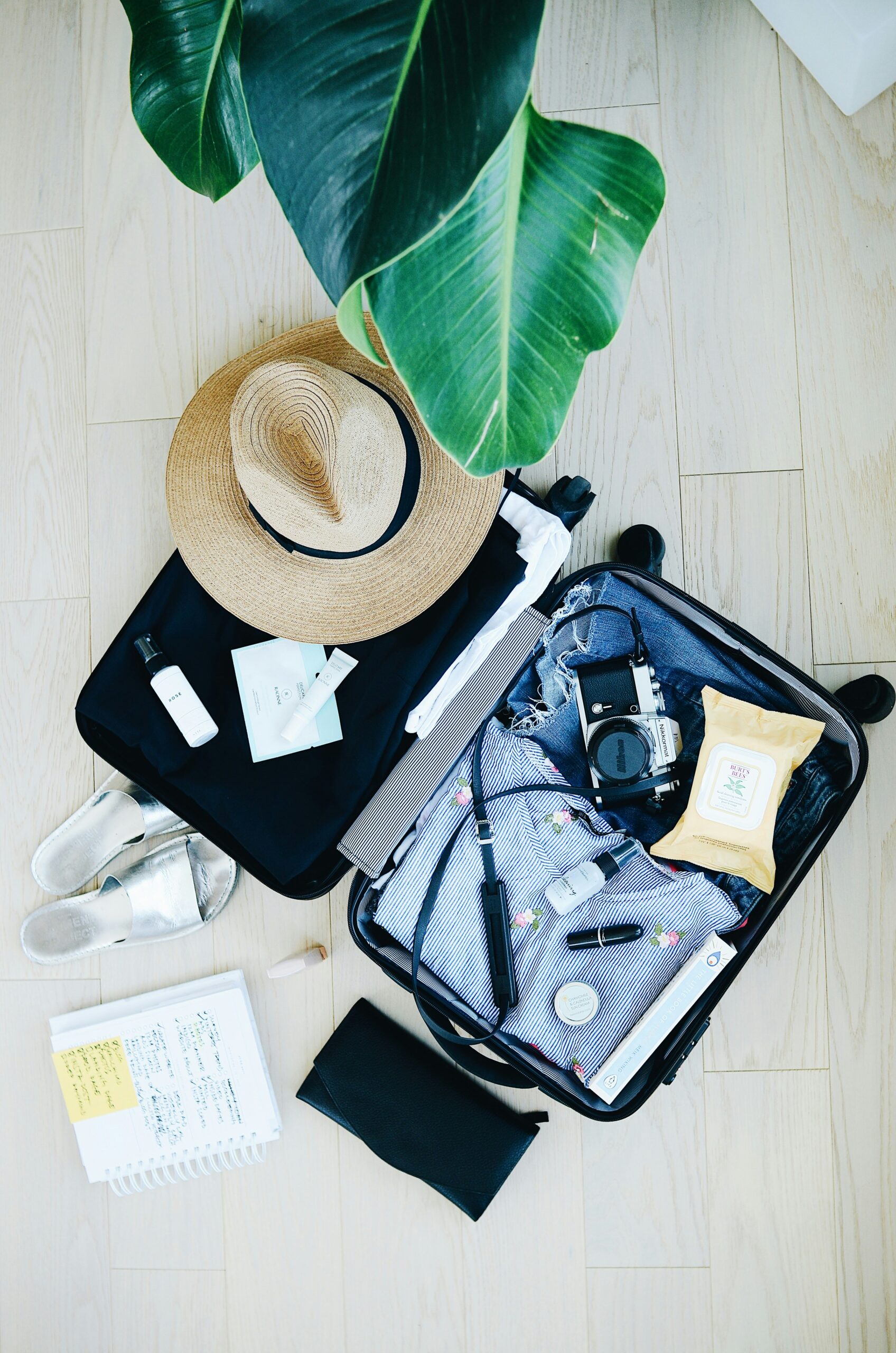
Booking flights, accommodations, and activities in advance is especially important during peak travel periods. Using price alert tools can help snag deals and avoid last-minute stress. Packing smart is also key. Light, breathable clothing, comfortable shoes, and sun protection such as hats, sunglasses, and sunscreen are must-haves. Travelers are also encouraged to pack a basic first-aid kit and avoid overpacking by sticking to essentials.
Security is another consideration. Lockable luggage can help protect personal items, and it’s wise to avoid displaying expensive items in public. Those planning to drive should have their vehicle serviced before the trip to ensure it is road ready. Keeping emergency contact numbers on hand and sharing your travel itinerary with a trusted friend or family member are simple steps that can make a big difference in an emergency.
Staying connected while traveling is easier than ever with international phone plans, local SIM cards, or portable chargers. These tools can help you stay in touch with loved ones and navigate unfamiliar places more easily.
Once your trip is underway, staying hydrated is one of the most important things you can do, especially in the heat. Drinking plenty of water and taking breaks during the hottest parts of the day can prevent heat-related illnesses. It’s also important to be aware of your surroundings. Travelers should keep a close eye on their belongings and avoid poorly lit or unfamiliar areas at night.
For those planning water activities, knowing the conditions—like tides and currents—can prevent accidents. Families with children should designate an adult as a water watcher and teach kids basic water safety tips.
Travelers should also take precautions against insect bites and other local health risks, especially in warmer climates. Paying attention to how your body feels and getting rest when needed can help avoid fatigue or illness.
To reduce travel-related stress, it helps to stay flexible. Flights may be delayed, weather may not cooperate, or plans may need to change. Having backup options can keep your trip on track. Traveling midweek can also reduce costs and crowd sizes, making for a smoother experience.
Looking for deals on vacation packages that bundle flights, hotels, and activities can save time and money. But don’t forget to embrace the experience itself. Trying local cuisine, visiting off-the-beaten-path attractions, and engaging with the local community can turn a good trip into a great one.
With a little preparation and a flexible mindset, summer travel can be both safe and memorable—full of the kind of stories you’ll want to tell long after you’ve returned home.