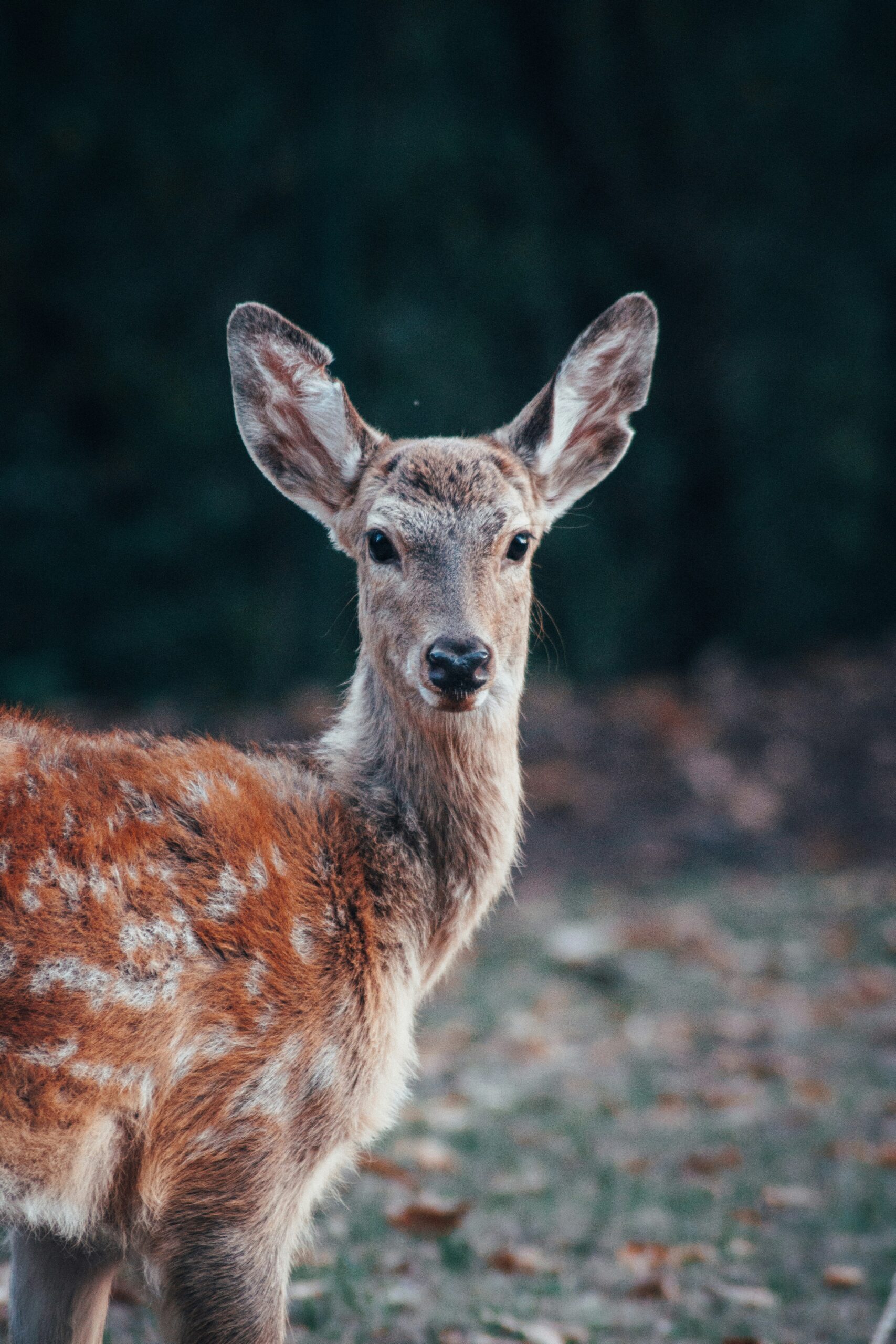


Shorter days and the approaching mating season mean more deer are moving through the area, often during the hours just before dawn and just after dusk. That means more drivers are on the road when it is still dark, and deer are more plentiful. As a result, the state is warning drivers to be extra careful to avoid deer collisions.
“With rut activity approaching, bucks are chasing does, often crossing Delaware roadways, unaware of the danger they pose to themselves and to motorists,” Sam Millman a DNREC biologist, said. “Bucks will begin expanding their home ranges as the rut nears. That’s why starting in early October, we remind Delaware drivers to take extra precautions, especially when traveling on dark backroads and roadways lined by woodlands and forests, where white-tail deer are more likely to cross.”
Deer rut, or mating season, runs from late October through late November and into December. However, collisions with deer can happen at any time of the year and drivers who start safer driving habits now are better prepared for a surge in deer activity. The average white-tail deer weighs 140 pounds, but larger bucks can weigh more than 200 pounds.
To put that into perspective, a deer collision is equivalent to hitting a small top-load washing machine or, in the case of a larger buck, a mid-sized refrigerator. Colliding with an animal that size can result in severe injury to those in the vehicle, while other motorists can become collateral damage. In addition, the vehicle itself may be totaled or need major repair.
“During mating season, drivers must stay alert and avoid distractions such as using a cellphone while driving,” Sharon Bryson, Director of the Office of Highway Safety, said. “Staying focused on the road helps you react quickly if a deer crosses unexpectedly. We urge everyone to take care and arrive alive.”
In 2024, 1,873 or 94 percent of animal-related collisions investigated by the Delaware State Police involved deer. Of that number, 912 collisions, almost 49 percent, occurred during the mating season. Most deer collisions in Delaware occur between 5 and 7 AM and again between 5 PM and midnight.
According to OHS, there have been more than 923 deer-related crashes in 2025. Deer crashes are more common in October, November and December.
“As we enter this year’s deer mating season, Delaware drivers should be aware that nearly all of the animal-related crashes that occurred in 2024 involved deer,” Lieutenant India Sturgis, Director of Public Information for the Delaware State Police, said. “Of those crashes, more than 900 occurred during the time that deer were most active. These numbers show how quickly deer activity can impact road safety. Drivers can reduce their risk by slowing down, staying alert at dawn and dusk, and using high beams when it is safe to do so. Taking these steps will not eliminate every danger, but they can make a difference between a close call and a serious crash.”
DNREC, OHS and DSP offer several safety tips that drivers should follow all year, not just during deer mating season. These include wearing a seatbelt, slowing down at night on curves, especially in bad weather and using high beams when there is no oncoming traffic to spot deer eyes along the side of the road. Be aware of deer crossing signs and slow down in those areas.
It is also important to remember that deer travel in herds which means when you see one deer, others are likely in the area. If you see a deer on the roadway, slow down and honk your horn in one long blast to frighten them. Do not depend on devices like deer whistles, deer fences and reflectors to deter deer as they have been proven not to prevent deer collisions.
Never swerve to miss a deer, but brake and stay in your lane. Swerving increases the risk of losing control, hitting an oncoming vehicle, a tree or a utility pole. If you hit a deer and your vehicle is damaged, stop at the scene, get your car off the road if you can and turn on your vehicle hazard lights. Call 911, especially if anyone in your vehicle is injured. Do not touch the animal or get close to it. An injured deer may bite or kick causing serious injury.
For more information on roadway safety, visit the Office of Highway Safety website. For more information on white-tail deer, visit the DNREC website.