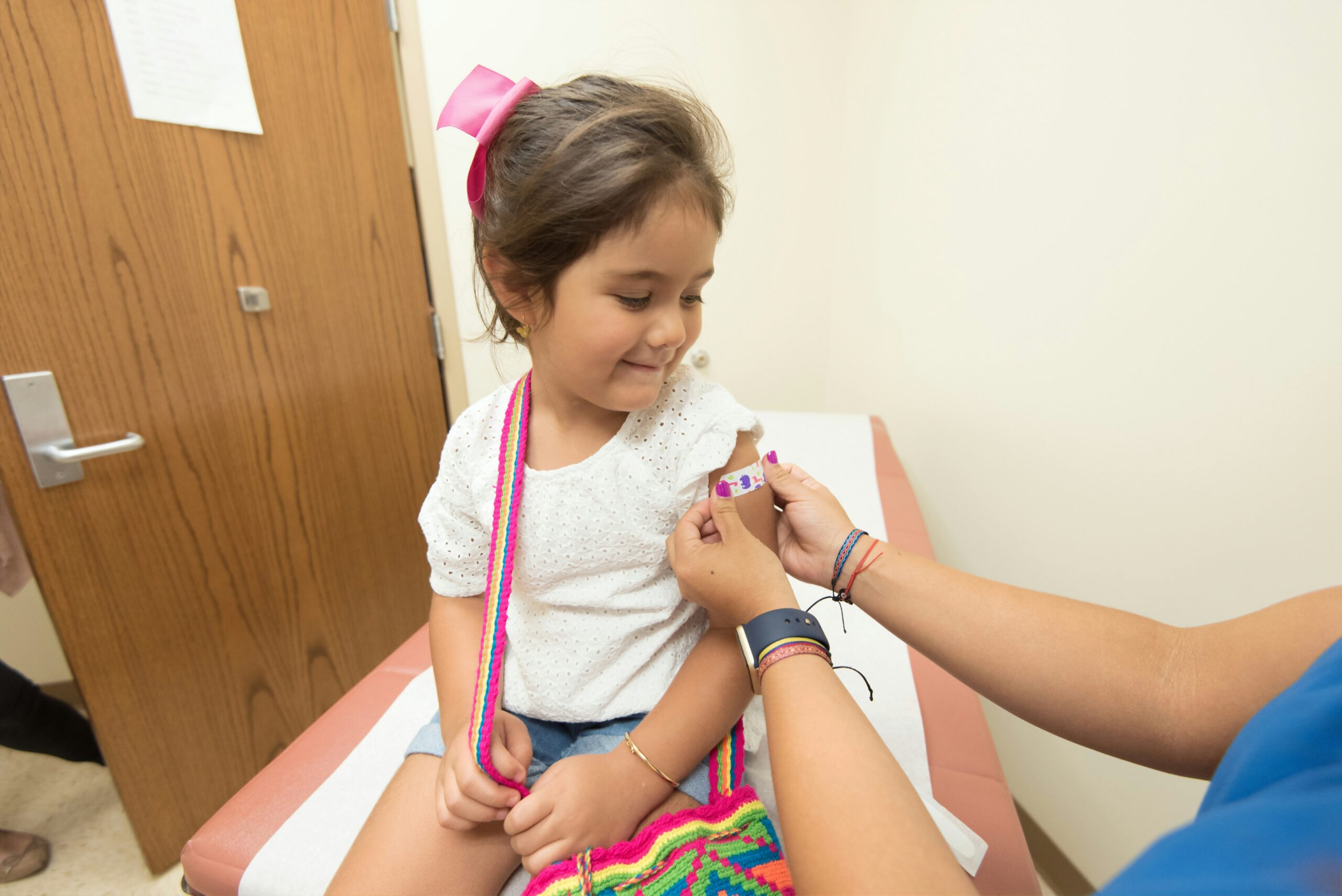


As families get ready for a new school year, Meghan Holland, NP-C with Bayhealth, reminds parents that an annual well visit is one of the best ways to help children stay healthy and succeed in the classroom.
“These aren’t just ‘back-to-school’ checkups,” Holland said. “Annual physicals are about checking a child’s growth, development and emotional health, even when they appear healthy.”
A thorough exam covers health history, safety, and high-risk behaviors, along with a head-to-toe physical assessment. Providers track growth milestones, screen for mental health concerns, and ensure children are developing normally through puberty. For student-athletes, a Delaware Interscholastic Athletic Association (DIAA) physical is required to play school sports, while Special Olympics participants may need a separate exam. Immunization records are also reviewed to confirm children are up to date on all recommended vaccines. Eye exams are part of a standard physical, with referrals to optometrists if needed. Hearing screenings help identify any issues early so they can be addressed before impacting school performance.
“Vision and hearing are critical for classroom learning,” Holland said. “If a child can’t see the board or hear the teacher, it will affect their ability to keep up.”
Annual visits also include tools to evaluate emotional and mental well-being. For older children and teens, parents may be asked to step out briefly so the child can speak privately.
“Parents should feel comfortable sharing any physical, emotional or behavioral changes they’ve noticed,” Holland said. “Concerns about anxiety, depression or attention issues should be discussed.”
While a physical can’t diagnose ADHD or other conditions, it can prompt further evaluation. Providers may use tools such as the Vanderbilt Assessment Scale and refer families to specialists if needed. DIAA sports physicals focus on safety concerns such as a family history of heart conditions, asthma, past concussions, or orthopedic injuries. Athletes recovering from injuries must be medically cleared before returning to play.
“Hydration is also key,” Holland added. “It’s not just water. Student-athletes should replenish electrolytes, especially in the heat.”
Bayhealth recommends scheduling DIAA physicals for high schoolers after April 1 of the current school year, so they remain valid for the following year. Middle school students should complete theirs before classes begin. Bayhealth offers these services at its seven school-based Wellness Centers in Smyrna, Dover, Caesar Rodney, Lake Forest, Polytech, Milford, and Woodbridge high schools. Students who are members can receive care including sports physicals, vaccines (if eligible), and sick visits. In addition, Bayhealth provides walk-in and urgent care options and hosts summer events offering low-cost sports physicals—some as low as $45, depending on location and eligibility. Holland encourages families to maintain regular visits with a primary care provider to ensure consistent care. She also suggests easing back into a school routine at least a week before the first day.
“Creating structure early helps children adjust more smoothly,” she said. “It sets the tone for a strong start both physically and emotionally.”
For more information about Bayhealth’s school-based and walk-in services, visit Bayhealth.org/Pediatrics or call 302-725-3550 to schedule an appointment.