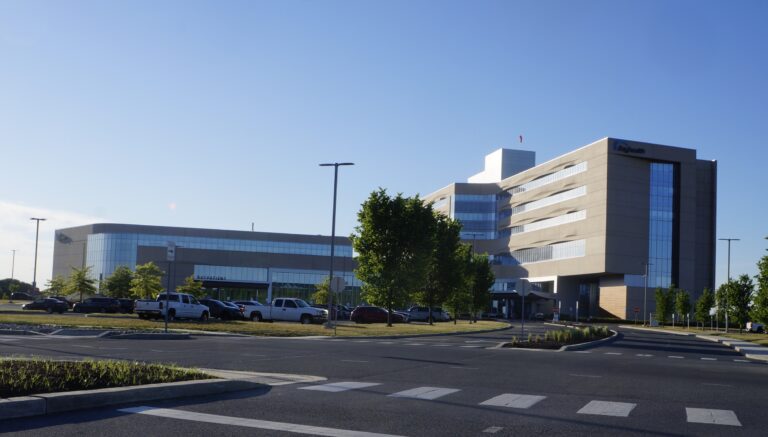








Physician residents have joined Bayhealth, according to a recent announcement. The 33 new physician residents will begin training this July across Kent and Sussex counties, a move health officials say is critical to addressing ongoing physician shortages and expanding access to care in central and southern Delaware.
The physician residents were selected through National Match Day on March 20 and will join Bayhealth’s Graduate Medical Education (GME) programs in emergency medicine, internal medicine, family medicine, and general surgery. The physicians will train in both hospital and community settings, caring for local patients while continuing their medical education.
Healthcare leaders emphasize that physician residency program plays a key role in strengthening local systems, particularly in regions facing provider shortages. In Kent and Sussex counties, access to care, especially in primary care and certain specialties, has been a growing concern. Studies show both counties exceed the federal threshold for physician shortage areas, with more than 2,000 patients per primary care physician.
Access challenges are also reflected in wait times. In Sussex County, the average wait to see a primary care provider has increased from 6.7 days to 28.4 days, while in Kent County, wait times have climbed from 11.7 days to 32.4 days. These delays highlight the strain on existing providers and the need for additional physicians across specialties, making the physician residents even more critical.
Statewide, Delaware is estimated to need at least 71 additional primary care physicians to meet current demand, with more than 20 of those needed in Sussex County alone. Experts also project a continued need for growth, with an estimated 177 additional primary care physicians required by 2030 to keep pace with population increases and an aging population.

“Our residency programs not only train the next generation of physicians but also strengthen access to high-quality care right here in our community,” said Gary Siegelman, MD, MSc, CPE, senior vice president and chief medical officer at Bayhealth.
Since launching in 2019, Bayhealth’s physician residence programs have become an increasingly important part of local patient care. Over the past three years, residents have helped care for nearly 39,000 patients, increasing appointment availability and supporting overburdened care teams.
Experts note that physician residence programs are one of the most effective strategies for addressing physician shortages at the local level. Physicians often choose to practice in the same communities where they complete their training, making programs like Bayhealth’s essential for long-term workforce development.
The need extends beyond primary care. Healthcare workforce reports indicate shortages in nursing and other specialties are also impacting Kent and Sussex counties, driven by population growth and an aging workforce. Rural and semi-rural areas, like much of southern Delaware, are particularly vulnerable to gaps in specialty care and preventive services.
Many of Bayhealth’s incoming physician residents come from regional partner institutions, including Drexel University and the Philadelphia College of Osteopathic Medicine, where Bayhealth serves as a core clinical campus. These partnerships help attract new physicians to Delaware while strengthening the connection between medical education and community-based care.
As demand for healthcare continues to rise across the region, officials say expanding physician resident programs is not only about training future physicians but also about improving access to care today.
Bayhealth leaders reaffirmed their commitment to growing the physician workforce and improving health outcomes across the communities they serve, noting that investments in physician residence programs are a critical step toward meeting the region’s current and future healthcare needs.
Top of Form
Bottom of Form